
Emergency Roof Repair Tucson: A Comprehensive Analysis
Introduction
In the face of unforeseen circumstances, whether it’s a severe storm or an accidental damage, the need for swift and efficient emergency roof repair emerges as a critical aspect of home ownership and property management in Tucson, Arizona. This article delves into the intricate world of emergency roof repairs, specifically focusing on Tucson, its unique challenges, and the solutions that have emerged to address them. By exploring various facets, from historical context and global influences to technological advancements and policy frameworks, we aim to provide an insightful guide for both residents and professionals navigating this essential service sector.
Understanding Emergency Roof Repair in Tucson
Definition and Core Components
Emergency roof repair refers to the immediate and temporary fixing of a roof that has been damaged due to natural disasters, accidents, or other unforeseen events. In Tucson, where extreme weather conditions, including powerful thunderstorms and high winds, are not uncommon, such repairs often involve securing the structure, preventing further damage, and providing shelter until a more permanent fix can be arranged.
The core components of an emergency roof repair typically include:
- Assessments: Evaluating the extent of damage to the roof, structural integrity, and potential risks.
- Temporary Fixes: Implementing short-term solutions like tarps, boards, or shoring up weak areas to shield against elements.
- Communication: Coordinating with insurance providers, contractors, and local authorities for support and resources.
- Material Sourcing: Acquiring necessary supplies, often quickly, to ensure the repair is effective and durable.
- Execution: Carrying out repairs under time constraints, prioritizing safety, and adhering to building codes.
Historical Context and Significance
The concept of emergency roof repair has evolved over centuries, shaped by historical events and technological progress. In Tucson’s context, the region’s unique climate and exposure to severe weather have played a significant role in developing robust emergency response systems. Over time, local communities and governments have implemented measures to address rooftop damage during emergencies, ensuring the safety and well-being of residents.
The post-World War II era saw an increase in construction and home ownership across America, including Tucson. With this growth came a heightened awareness of the need for rapid response to structural damages, leading to the establishment of local emergency services and building codes that prioritize rooftop security. Today, emergency roof repair is not just a service but a vital component of community resilience and disaster preparedness.
Global Impact and Trends
International Influence
The concept of emergency roof repair transcends geographical boundaries, as diverse regions worldwide face similar challenges from extreme weather events. Tucson’s approach to emergency repairs has influenced and been influenced by global trends in disaster management and construction practices. International collaboration and knowledge-sharing have led to the adoption of best practices, innovative technologies, and standardized protocols for roof repair and replacement during emergencies.
Regional Variations and Trends
- North America: The United States, including Tucson, has seen a rise in extreme weather events, driving the demand for efficient emergency roof repair services. Advanced warning systems and improved communication between residents and emergency services have enhanced response times.
- Europe: European countries often face a mix of severe storms, heavy rainfall, and high winds, leading to unique challenges. Some regions have implemented mandatory rooftop reinforcement standards, while others focus on post-disaster recovery and rebuilding efforts.
- Asia Pacific: This region is susceptible to earthquakes, typhoons, and monsoons, prompting the development of specialized emergency repair teams and rapid response networks in cities like Tucson’s counterpart, Tokyo, where buildings are designed to withstand extreme forces.
- Latin America: Variability in climate and infrastructure pose challenges across this diverse region. Local communities often rely on traditional knowledge and community-driven initiatives for post-disaster roof repairs.
Economic Considerations
Market Dynamics
The emergency roof repair market in Tucson is influenced by several economic factors:
- Weather Patterns: The frequency and severity of storms and other weather events directly impact the demand for these services, creating seasonal fluctuations.
- Property Values: In areas with higher property values and luxury homes, the cost of repairs can be significantly higher, attracting specialized contractors.
- Insurance Coverage: Many homeowners carry insurance that covers emergency roof repairs, influencing the financial burden on both residents and service providers.
Investment Patterns
The economic outlook for emergency roof repair in Tucson is positive:
- Growing Industry: With increasing weather-related damages, the demand for prompt and reliable repairs continues to rise, presenting opportunities for investment and expansion.
- Government Support: Local governments often provide funding and resources for disaster preparedness, including emergency roof repair programs, which can attract investors seeking socially responsible ventures.
- Technology Integration: Adopting new technologies and equipment can improve efficiency and reduce costs, making the industry more attractive to investors.
Economic Impact on Tucson’s Community
Emergency roof repairs contribute significantly to Tucson’s local economy:
- Job Creation: It supports a range of jobs, from skilled contractors and technicians to administrative staff in insurance companies and government agencies.
- Business Opportunities: Local businesses, including hardware stores, building supply companies, and temporary housing providers, benefit from increased activity during emergency periods.
- Community Resilience: Efficient repairs help residents get back on their feet quickly, fostering a sense of community strength and resilience.
Technological Advancements
Innovations in Emergency Roof Repair
Technological advancements have revolutionized emergency roof repair processes:
| Technology |
Description |
Impact |
| Drone Inspections: Drones equipped with high-resolution cameras and sensors can quickly assess roof damage, providing contractors with detailed images for more accurate repairs. |
Speeds up assessment, improves safety by minimizing contractor exposure to hazardous conditions. |
| Advanced Tarps: Waterproof tarps with reinforced edges and rapid deployment mechanisms offer immediate protection against leaks until permanent repairs are made. |
Reduces interior damage, shortens wait times for permanent fixes. |
| Smart Building Materials: Newer materials like self-repairing roofs and weather-resistant shingles can enhance a structure’s resilience to extreme conditions. |
Long-term cost savings, reduced frequency of emergency repairs. |
| Digital Communication Platforms: Dedicated apps and software streamline communication between homeowners, contractors, insurance providers, and emergency services, ensuring everyone is on the same page during a crisis. |
Enhances coordination, reduces paperwork, and improves overall response efficiency. |
| 3D Modeling Software: 3D models of roofs can be created to aid in repair planning, allowing contractors to visualize complex roof structures before making repairs. |
Improves accuracy, minimizes waste, and optimizes material usage. |
Future Potential
The future holds immense potential for technological integration:
- Autonomous Repair Robots: Advanced robotics could automate certain aspects of roof repair, such as removing damaged shingles or applying sealant, increasing efficiency and reducing labor costs.
- Predictive Analytics: Using data from weather patterns, historical repairs, and building codes, predictive models can forecast areas most at risk, allowing for proactive measures and improved resource allocation.
- Augmented Reality (AR) Guidance: AR tools can provide real-time instructions to contractors on the job site, enhancing their efficiency and reducing errors during complex repairs.
Policy and Regulation
Legal Frameworks and Their Impact
Emergency roof repair in Tucson is governed by a combination of local, state, and federal regulations:
- Building Codes: Local building codes dictate minimum standards for roofing materials, construction methods, and safety measures. These codes ensure that new roofs and repairs meet specific criteria, enhancing structural integrity during emergencies.
- Insurance Regulations: Insurance companies have their own set of guidelines regarding emergency roof repairs, including approval processes for claims and recommended contractors. State insurance departments often oversee these regulations to protect policyholders.
- Disaster Management Policies: Federal agencies like the Federal Emergency Management Agency (FEMA) provide resources and guidance for disaster preparedness, including post-disaster repair and reconstruction efforts.
Influence on Industry Development
The regulatory environment plays a crucial role in shaping the industry:
- Standardization: Building codes and regulations encourage standardization of materials and practices, ensuring consistency in repairs across Tucson.
- Licensing and Certification: Contractors must obtain licenses and certifications to operate legally, maintaining quality control and safety standards.
- Insurance Collaboration: Effective coordination between insurance providers and repair contractors ensures timely claims processing and efficient repairs, fostering trust among stakeholders.
- Community Preparedness: Policies that promote community education and preparedness programs empower residents to take proactive measures before and during emergencies.
Challenges and Criticisms
Main Issues Faced
Despite its critical role, emergency roof repair faces several challenges:
- Time Constraints: The urgency of these repairs often leaves little room for error or delays, putting pressure on contractors to work quickly, which may compromise quality.
- Access and Reach: In Tucson’s diverse terrain, reaching rooftops in remote areas or historic buildings with unique architectural features can be challenging, impacting repair efficiency.
- Material Availability: Severe weather events can disrupt supply chains, leading to shortages of essential materials, particularly during peak demand periods.
- Cost Overruns: Unforeseen damage during repairs can lead to additional expenses, causing financial strain on homeowners and insurance companies.
Proposed Solutions
Addressing these challenges requires a multi-faceted approach:
- Training and Education: Investing in comprehensive training programs for contractors can enhance their skills and knowledge, ensuring they meet high standards even under pressure.
- Technological Integration: Adopting advanced technologies like drones and 3D modeling can improve efficiency, reduce errors, and minimize access challenges.
- Supply Chain Management: Implementing robust supply chain strategies, including local material sourcing and emergency stockpiles, can mitigate material shortages.
- Flexible Pricing Models: Insurance providers and contractors could explore flexible pricing structures to accommodate unexpected cost overruns, ensuring affordability for homeowners.
- Community Support Networks: Encouraging community-based initiatives and mutual aid groups can supplement professional services during major emergencies.
Case Studies: Successful Applications
Example 1: Post-Storm Repair in Tucson
Challenge: A severe monsoon storm caused widespread roof damage across Tucson, with many residents requiring immediate repairs.
Solution: Local authorities coordinated with insurance companies and emergency services to establish a rapid response network. Contractors were mobilized, and specialized teams were dispatched to assess and repair damaged roofs using advanced tarps and drone inspections.
Outcomes: The swift response minimized interior damage and reduced the time residents spent without shelter. The use of technology ensured accurate assessments, leading to more effective repairs. This coordinated effort demonstrated the power of collaboration in managing large-scale emergency repairs.
Example 2: Historic Building Restoration
Challenge: A historic building in downtown Tucson required extensive roof repair after a series of earthquakes. Preserving the building’s architectural integrity while ensuring structural safety was paramount.
Solution: Conservation experts and experienced roofers collaborated to develop a repair plan that respected the building’s historical significance. They utilized traditional materials and techniques, combined with modern reinforcement methods, to strengthen the roof without altering its original design.
Outcomes: The restored roof not only enhanced the building’s structural integrity but also became a tourist attraction, showcasing Tucson’s commitment to preserving its heritage. This case highlights the importance of combining historical knowledge with modern repair techniques for successful emergency repairs.
Future Prospects
Emerging Trends
The future of emergency roof repair in Tucson is poised for growth and innovation:
- Sustainable Materials: There will be an increased focus on environmentally friendly roofing materials, aligning with Tucson’s commitment to sustainability and reducing the carbon footprint of construction activities.
- Smart Cities Integration: Integrating emergency roof repair services into smart city initiatives could enhance real-time monitoring and predictive analytics, allowing for more proactive maintenance.
- Remote Repair Techniques: Advancements in robotics and AR will enable contractors to perform repairs from a distance, ensuring safety during hazardous conditions.
- Community Resilience Programs: Expanding community education and engagement programs can empower residents to contribute to local disaster preparedness efforts.
Strategic Considerations
To capitalize on these trends, key strategies include:
- Research and Development: Investing in R&D for sustainable materials and innovative repair techniques will keep Tucson at the forefront of industry advancements.
- Public-Private Partnerships: Collaborating with tech companies and startups can drive innovation and improve service delivery.
- Community Engagement: Encouraging resident participation in disaster preparedness programs fosters a culture of resilience and mutual support.
- Digital Infrastructure: Upgrading digital infrastructure, including high-speed internet access across Tucson, will enable better communication and data sharing during emergencies.
Conclusion
Emergency roof repair in Tucson is not just a service but a vital component of the city’s overall disaster preparedness and community resilience strategy. From historical context to technological advancements, this article has explored the multifaceted world of emergency repairs. By understanding the core components, global influences, economic considerations, and future prospects, we can appreciate the significance of this industry.
The challenges faced by Tucson, from weather-related damage to access issues, underscore the need for continuous improvement in repair techniques, technological integration, and policy support. As the city continues to evolve, its emergency roof repair services will play a crucial role in safeguarding homes, businesses, and the unique character of Tucson’s communities.
FAQ Section
Q: How do I know if my roof needs emergency repair?
A: Signs include visible damage from weather events, leaks, unusual noise during storms, or decreased energy efficiency. If you notice any of these issues, contact a professional for an assessment.
Q: What should I do immediately after a storm to prepare for potential roof repairs?
A: Start by inspecting your roof for damage and securing loose items outside. Take photos of any damage for insurance claims. Ensure your insurance policy covers emergency roof repairs and familiarize yourself with the claims process.
Q: How can technology improve emergency roof repairs?
A: Technology like drones, 3D modeling software, and advanced tarps enhance efficiency, accuracy, and safety during repairs. These tools provide faster assessments, reduce costs, and minimize interior damage.
Q: Are there any government programs to assist with emergency roof repairs?
A: Yes, local governments often offer grants or low-interest loans for disaster-related repairs, especially for low-income residents. Check with your city’s emergency management office or local building department for available resources.
Q: How can I choose a reputable emergency roof repair contractor?
A: Look for licensed and certified contractors with experience in emergency repairs. Ask for references, check online reviews, and ensure they carry appropriate insurance coverage. Verifying their work history and reputation is crucial for reliable service.
Arizona's extreme climate demands proactive roof care. Key strategies include regular gutter cleaning, flashing inspection, and shingles/fascias assessment. Emergency roof repair Tucson services offering 24-hour assistance are vital for swift damage mitigation. Prompt action on water stains, loose shingles, or tree abrasion prevents leaks, mold, and costly repairs. Professional maintenance checks catch minor issues before they become major crises, ensuring roof longevity.
In Arizona’s diverse climate, proper roof repair and maintenance are paramount to protect homes and businesses from the region’s harsh conditions, including intense sunlight, windstorms, and fluctuating temperatures. Unfortunately, many property owners overlook routine upkeep, leading to costly repairs and structural damage down the line. This is especially problematic in Tucson, where emergency roof repairs are a common occurrence during unpredictable weather shifts. This article delves into the intricacies of quality roof maintenance, offering practical insights to extend the lifespan of your roofing system, thereby averting emergency situations like those often requiring urgent intervention in Tucson.
Understanding Arizona's Unique Roof Repair Challenges
Arizona’s diverse climate presents unique challenges for roof repair and maintenance. The state’s hot, dry summers and occasional severe winter storms can take a significant toll on roofing materials. One of the primary concerns is the high temperature fluctuations that cause materials to expand and contract, leading to potential leaks and structural damage over time. Additionally, powerful thunderstorms with high winds can be frequent occurrences, particularly in areas like Tucson, where emergency roof repair services are often called upon to address storm-related damage.
Another factor contributing to these challenges is the region’s abundant sunlight, which accelerates the aging process of roofing materials. UV rays can weaken shingles and other covering materials, leading to premature deterioration. As a result, homeowners in Arizona should be particularly vigilant about regular maintenance, including inspecting roofs for signs of wear and tear, such as missing or damaged shingles, flashing issues, or moisture intrusion. Proactive measures, like scheduling 24-hour roofing services for emergency repairs or routine check-ups, can prevent minor problems from escalating into costly, time-sensitive disasters.
Given the unique challenges, it’s crucial to partner with experienced local contractors who understand these specific issues. For instance, in Tucson, where rapid climate changes and intense storms are common, having a reliable 24-hour roofing service on standby is invaluable. Such services can provide immediate assistance during emergencies, ensuring that repairs are made swiftly to prevent further damage. Regular maintenance contracts tailored to Arizona’s conditions can also help extend the lifespan of roofs, saving homeowners money in the long run by preventing extensive and costly replacements.
Essential Steps for Regular Roof Maintenance
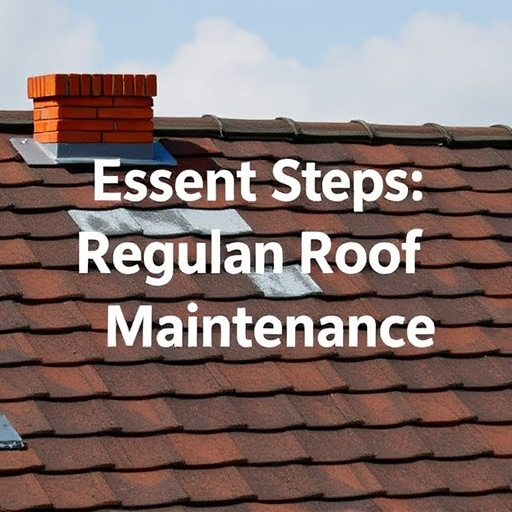
Regular roof maintenance is essential for any Arizona homeowner, with its unique climate presenting specific challenges to roofing integrity. This includes frequent sun exposure, extreme temperatures, and occasional severe storms. While many focus on visual inspections, true preventative care involves a multi-faceted approach. A comprehensive strategy should include both routine checks and swift action during emergencies, such as when a storm causes damage. One key step is to clear debris from gutters and drains regularly, preventing water buildup that can weaken shingles or cause overflows. Additionally, inspecting for loose or damaged valleys and flashing is crucial; these areas are particularly vulnerable to leaks.
A 24-hour roofing service in Tucson, or any Arizona community, plays a vital role in addressing roof issues promptly, especially during emergencies. Quick response times can mitigate extensive damage, saving homeowners significant costs. For instance, immediate attention to a leaking roof can prevent water intrusion that leads to mold growth and structural degradation. Regular maintenance also involves checking for signs of wear and tear on shingles, underlayment, and fascias. Using the right tools for these inspections, such as binoculars or a drone, allows for a thorough evaluation without causing further damage.
Beyond periodic maintenance, homeowners should be prepared for unexpected events. In Arizona, this could include intense monsoons or powerful storms carrying large debris. Having an emergency roof repair Tucson service on speed dial is advisable. These professionals are equipped to handle sudden situations, offering 24/7 support when every minute counts. Regular care, swift response during emergencies, and proactive issue identification work together to extend the lifespan of a roof while ensuring optimal performance against Arizona’s harsh environmental conditions.
When Emergency Roof Repair Tucson is Necessary
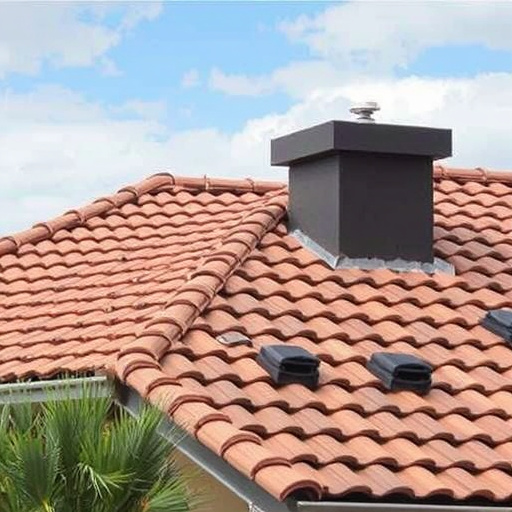
In Arizona, where extreme weather conditions can vary from fierce thunderstorms to scorching heatwaves, a well-maintained roof is more than just an architectural element—it’s a crucial shield that protects homes and businesses. Despite their durability, roofs are susceptible to damage from strong winds, lightning strikes, and intense sunlight, leading to leaks and structural integrity issues. Recognizing when emergency roof repair Tucson is necessary is vital for Arizona residents. A small leak or temporary storm damage might seem manageable, but ignoring these issues can result in significant problems down the line.
One of the primary indicators that calls for immediate attention is the presence of water stains on the interior ceilings or walls. These stains not only signal a breach in the roof’s defense but also indicate potential structural damage. Additionally, loose or missing shingles after a severe storm are clear red flags; such debris can expose underlying layers to further deterioration. It’s important to note that some issues may not be immediately apparent. For instance, tree branches rubbing against roofs can cause subtle damage over time, leading to complex repairs if left unchecked.
A 24-hour roofing service like emergency roof repair Tucson offers a lifeline during these critical moments. Prompt action is essential in Arizona’s climate, where water damage can quickly escalate and lead to mold growth and costly interior repairs. Professional roofing experts equipped with 24-hour availability are trained to assess and address issues swiftly, whether it’s a sudden leak or storm debris removal. Regular maintenance checks by these professionals can also help identify minor problems before they turn into major crises, ensuring the longevity of one’s roof and peace of mind.
Arizona’s diverse climate presents unique challenges for roof maintenance, demanding proactive care to prevent costly repairs. Regular inspection and timely addressing of issues are key, focusing on water damage prevention, flashing maintenance, and debris removal. While routine upkeep is essential, emergency roof repair Tucson becomes necessary during severe storms or unexpected damage. Knowing when to call professionals for emergency roof repair Tucson ensures swift resolution, minimizing potential home or business risks. This article equips readers with the knowledge to maintain their roofs effectively, fostering peace of mind and safeguarding investments.