In the frenetic pace of daily life, it's easy to overlook the roof that shelters us-until a sudden emergency strikes. Whether it's a fallen tree during a monsoon season or a microburst that damages shingles, a roof leak can turn a home into a pool of water and stress in a flash. Until a professional roofer arrives, stopping the leak and protecting your belongings is crucial. This article provides practical advice on how to secure your home with either a roof tarp or shrink wrap, the most immediate solutions for an active roof leak, until a licensed contractor can assess and fix the problem.
- Assessing Damage: Spotting Leaks, Understanding the Urgency
- Temporary Solutions: Rooftop Repairs, Roof Tarp vs. Shrink Wrap
- Home Preservation: Preventing Further Damage Until the Pro Arrives
Assessing Damage: Spotting Leaks, Understanding the Urgency
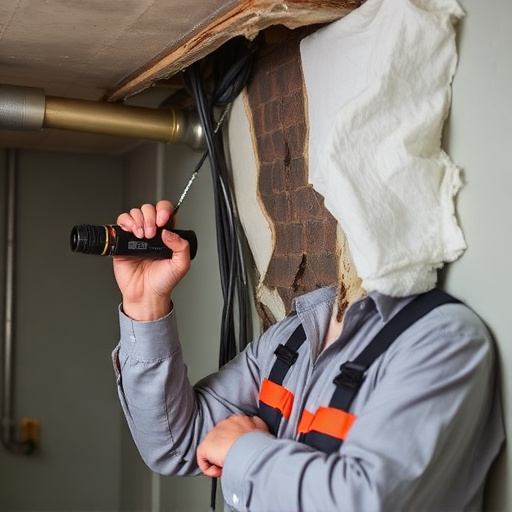
When a roof starts to leak, especially during Tucson's unpredictable monsoon season or after a severe storm like a microburst, immediate action is crucial to prevent extensive water damage and mold growth. Before an emergency roofer arrives, assessing the situation can help protect your property and belongings.
The first step is to pinpoint the source of the leak. Check for broken tiles, missing shingles, or flashing damage, especially around chimneys and vents. Even a small break can allow water to infiltrate. In the Catalina Foothills, where flash flooding is a concern, clogged roof drains during heavy rain can also cause leaks. Inspecting your roof regularly can help catch these issues early. If the leak is visible and active, the situation is an emergency.
In a true emergency, a temporary fix can buy time until a licensed Tucson roofer with an Arizona ROC license arrives. A common short-term solution is to install a tarp or shrink wrap over the damaged area. A tarp is a simple, cost-effective way to stop water from entering while a more permanent repair is being planned. Shrink wrap, on the other hand, provides a tighter seal and is more durable, ideal for protecting a roof during the wait for a roofer to arrive. Remember, this is a temporary measure; a professional repair is necessary for a lasting solution.
Prioritize safety above all else. Never attempt to climb on a leaky roof yourself. If the leak is near an electrical panel, be aware of potential electrical hazards. Keep valuable documents and irreplaceable items in higher, drier locations. By taking these steps, you can mitigate damage and ensure your home remains safe and protected until a professional emergency roofer can assess and repair the problem.
Temporary Solutions: Rooftop Repairs, Roof Tarp vs. Shrink Wrap
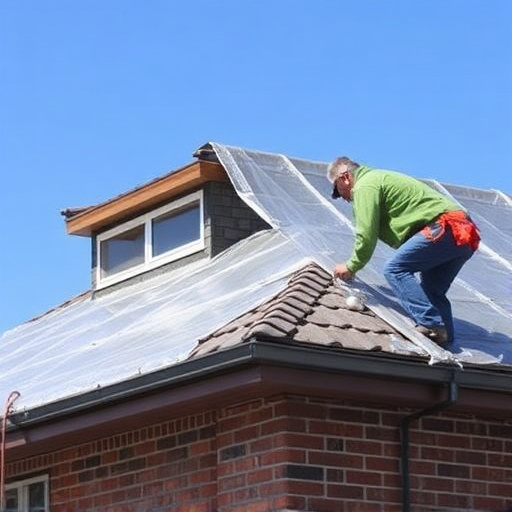
When a roof leak strikes, especially during Tucson's unpredictable monsoon season, immediate action is crucial to prevent water damage and mold growth. While waiting for a licensed roofer with an Arizona ROC license to arrive, you can implement temporary solutions to stem the flow of water until the expert arrives. Two common methods involve using a roof tarp or shrink wrap. Both have their merits and should be considered based on the specific situation.
A roof tarp is a quick, temporary fix ideal for stopping an active roof leak. It's a large, waterproof sheet that covers the damaged area, acting as a barrier against further water intrusion. Tarp installation is relatively simple and can be done by homeowners or even a neighbor. It's a good solution for urgent hail damage repairs, a common occurrence in the region, as it's both affordable and readily available. However, tarps are not a permanent solution and should only be seen as a stopgap measure. They may also not be suitable for all roofing types, particularly historic homes, where a more specialized fix might be required.
On the other hand, shrink wrap offers a more comprehensive temporary solution. This involves stretching a thin, flexible plastic membrane over the damaged area, sealing it tightly around the edges. Unlike a tarp, shrink wrap actually fills the gap, providing a tighter seal. It's a more effective option for preventing water intrusion during prolonged periods before a permanent repair. However, shrink wrap is more expensive and may not be as easy to install as a tarp. It's crucial to ensure proper application to avoid air pockets that can compromise the seal.
When deciding between a roof tarp and shrink wrap, consider the severity of the leak, the type of roof, and the time before a professional roofer can arrive. The National Weather Service Tucson office can provide valuable information on local weather patterns and forecast the duration of monsoon season, helping you gauge the urgency of the situation. Remember, these temporary solutions buy time, but they are not a substitute for professional roof repair. A fallen tree causing roof damage requires immediate attention to prevent further harm and ensure safety. Always consult a local, licensed roofer for expert advice tailored to your specific situation.
Home Preservation: Preventing Further Damage Until the Pro Arrives
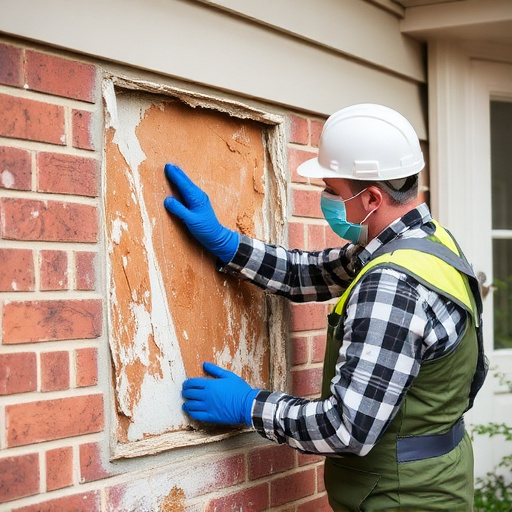
When a roof emergency strikes, especially in Tucson's unpredictable monsoon season, preserving your home until the professional arrives is crucial. The last thing you want is further damage or even a safety hazard. Here's a practical guide to help you navigate these challenging times.
One of the simplest yet most effective measures is to erect a temporary roof tarp. This is especially vital when dealing with broken tiles or hail damage during a haboob. A tarp acts as a shield, preventing water intrusion and minimizing the risk of mold growth. Ensure the tarp is securely fastened to your existing roofing to avoid any additional strain on your structure. This temporary fix can buy you time and protect your home's interior until a roofer can assess the situation.
For more severe cases, like a partial roof collapse or a significant clog in your roof drain during a storm, a professional's immediate attention is mandatory. In these instances, it's best to contact an experienced Tucson roof specialist for guidance. They can provide expert advice on whether to patch a minor issue or replace sections of your roof. Remember, a roofer can also offer insights into the best materials for your region, like eco-friendly options, ensuring your home stays protected while respecting the environment.
To these measures, there are several preventive steps homeowners in Midtown Tucson can take. Regular roof inspections, for instance, can help identify weak spots and potential hazards early on. Keeping your roof well-maintained reduces the likelihood of emergency repairs. Being prepared for sudden storms means having a kit ready, including essential supplies like tarps and a basic toolkit, easily accessible in case of a last-minute roof emergency.
Frequently Asked Questions About practical advice on keeping a home safe and dry until an emergency roofer arrives
What should I do immediately if I notice a roof leak?
If you spot a leak, act swiftly. Turn off the water supply at the main shut-off valve to prevent further damage. Then, contact a local roofing contractor immediately. Document the leak's location and extent with photos, as this will aid the roofer's assessment. If the leak is severe and poses an immediate safety hazard, like flooding or structural damage, evacuate the home until a professional can address it.
How do I prevent water damage while waiting for a roofer to arrive?
Place buckets or pans under leaking areas to catch water and prevent it from spreading. Use towels or absorbent materials to absorb excess moisture on floors and ceilings. Ensure drains and gutters are clear of debris to prevent water buildup. If the leak is in a room, close interior doors to contain the damage. Do not use electric appliances or turn on lights in the affected area to avoid the risk of electrocution.
Can I patch the leak myself or do I need a professional?
Small, temporary patches might be manageable for DIYers, but complex repairs require a licensed roofer. A professional can assess the entire roof system, identify the root cause of the leak, and ensure proper repairs for long-term protection. Attempting a fix yourself may exacerbate the issue, leading to further damage and higher costs.
What documents should I provide to the emergency roofer?
Gather important documents related to your home's roof, including the property's deed, previous inspection reports, and insurance policies. This information helps the roofer understand your home's history and facilitates any insurance claims. If you have a warranty or guarantee on your roof, provide those details as well.
How long should it take for an emergency roofer to arrive?
Most roofing companies in Tucson will respond to emergency calls promptly, aiming to arrive within a few hours. However, travel time varies based on their location and current workload. It's advisable to contact several local roofing contractors to ensure quick service, especially during peak seasons.
What should I expect during the initial roof inspection?
The roofer will conduct a thorough inspection, identifying the leak's source and assessing the extent of the damage. They may take photos and notes for insurance claims and will provide an estimate for repairs. Be prepared to discuss your expectations, timeline, and insurance coverage during this visit. A professional will explain the process clearly and answer any questions you may have.
In the face of a roofing emergency, whether it's a sudden leak during Tucson's monsoon season or storm damage, knowing how to protect your home until a professional arrives is crucial. By assessing the damage, you can spot leaks and understand the urgency of the situation. If you must act quickly, temporary solutions like roof tarps offer a viable option to shield your home from further water intrusion, especially when comparing them to shrink wrap. While these fixes are not permanent, they provide vital protection until a licensed roofer can arrive.
Preventing further damage is key. Keep the area around the leak clear, ensure proper drainage, and consider using buckets or pans to catch any water seeping through. These simple steps, combined with a thorough understanding of roof tarp vs. Shrink wrap, can make a significant difference in minimizing water damage and preserving your home's integrity until help arrives.
When Tucson Roof Leaks Strike: Temporary Fixes & Next Steps
During Tucson's monsoon season, immediate action is crucial to prevent water damage and mold growth from roof leaks. For temporary solutions until a licensed roofer arrives:
- Roof Tarp: Quick, simple, and cost-effective. Covers damaged area, stops water intrusion, suitable for hail damage. Not permanent, may not fit all roofs.
- Roof Shrink Wrap: Offers tighter seal than a tarp, effective for prolonged water leaks. More expensive, requires careful application to avoid air pockets.
Both are stopgap measures; a professional repair is essential. Prioritize safety, document valuable items, and consult a local, licensed roofer for expert advice tailored to your situation. Regular inspections and storm preparedness also reduce the impact of roof emergencies.