The monsoon season in Tucson brings both beauty and challenges for homeowners, with intense storms capable of causing severe roof damage. Understanding what constitutes a roofing emergency is crucial during these unpredictable weather events. From sudden leaks and fallen trees to microbursts and clogged drains, roofers in Tucson face a unique set of issues. By the end, you'll be equipped to navigate a roofing emergency with confidence.
- Recognizing Monsoon-Related Roof Damage
- Prioritizing & Responding to Roofing Emergencies
- Post-Monsoon: Roof Repairs & Prevention Tips
Recognizing Monsoon-Related Roof Damage
Recognizing Monsoon-Related Roof Damage
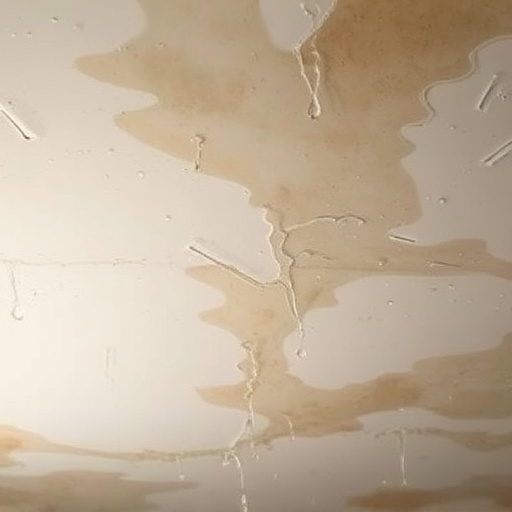
As the Tucson monsoon season sets in, homeowners must be alert to potential roof damage. This time of year brings intense storms and high winds, which can cause significant wear and tear on roofs. Understanding what constitutes a roofing emergency during these months is crucial for timely repairs and home safety. A leaking roof during heavy monsoon rains can lead to ceiling stains and even mold growth, necessitating urgent action.
One of the first signs of monsoon-related roof damage is water pooling or scuppers clogging. Strong winds and heavy rainfall can cause debris to accumulate in gutters and scuppers, blocking water flow. This results in water pooling on the roof, which, if left unaddressed, can infiltrate and damage the roof decking, insulation, and even the interior of the home. Homeowners should regularly inspect their scuppers and gutters to ensure they are clear of debris and functioning properly.
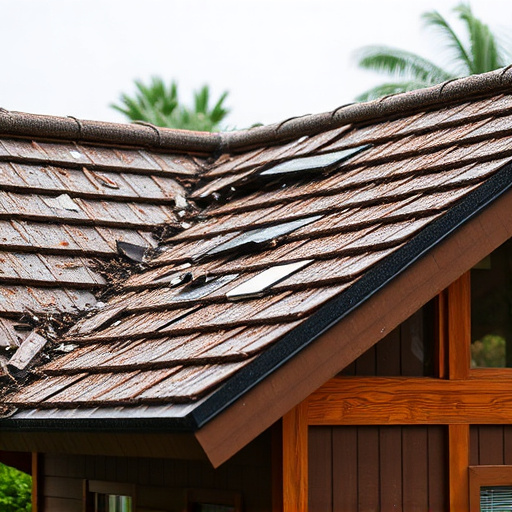
An experienced Tucson roof specialist recommends staying vigilant for other signs, such as missing or damaged shingles, loose flashing, and cracks in the roof structure. Microbursts, intense bursts of wind and rain, can be particularly destructive, tearing off shingles and causing significant damage. If you notice any of these issues, it's essential to contact a professional roofer immediately. Many insurance policies cover monsoon-related roof damage, but prompt action is necessary to ensure claims are processed efficiently. Remember, waiting until after the storm passes can lead to further complications and more extensive repairs.
Prioritizing & Responding to Roofing Emergencies
The Tucson monsoon season brings both beauty and challenges, and for homeowners, a heightened risk of roof emergencies. A sudden haboob or intense rainstorm can cause significant damage, leading to water intrusion and costly repairs. So, what is a roofing emergency, and how should Tucson property owners respond?
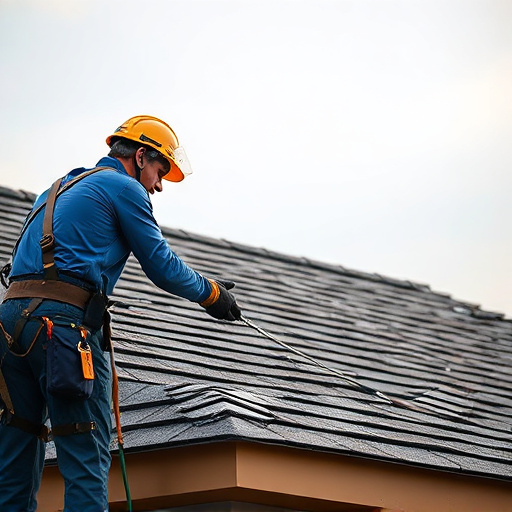
Prioritizing roof repairs during monsoon season is crucial to prevent further damage and ensure home safety. Water intrusion, caused by leaks or broken shingles, can result in mold growth, structural weakness, and even electrical hazards. A local Tucson roofing company with an Arizona ROC license is your best line of defense. They can quickly assess the situation, stopping active leaks with emergency tarping while providing expert advice on temporary versus permanent repairs.
When a roofing emergency arises, don't delay. Contact a certified roofer immediately. They can help determine the extent of the damage, whether it's a broken tile, a clogged drain during a storm, or a more severe issue like microburst shingle damage. Remember, emergency roof tarping is a temporary fix, and a thorough inspection is necessary to understand the scope of the problem. Some issues, like a roof collapse warning sign or urgent hail damage, require immediate attention from a professional.
After the immediate danger is addressed, it's important to understand your insurance coverage for roofing emergencies. Home insurance policies typically cover water intrusion and repair costs, but the process can be complex. Your roofer can guide you through the insurance claims process, ensuring you receive the necessary coverage for repairs or replacements.
Post-Monsoon: Roof Repairs & Prevention Tips
As Tucson's monsoon season intensifies, so does the risk of severe weather events that can lead to roofing emergencies. Post-monsoon, the focus shifts to repairs and prevention. This is especially crucial in areas like Marana where sudden storms can cause extensive damage. A roofing contractor serving Tucson and Oro Valley emphasizes the importance of timely action after a storm passes.
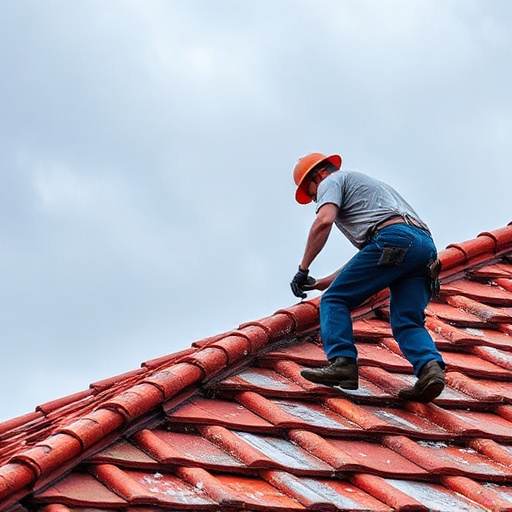
The first step in post-monsoon roof care is to assess for any signs of damage. Look for missing or damaged shingles, particularly in areas exposed to direct impact from fallen debris during haboobs. Even minor cracks or holes can lead to significant leaks. If you notice a ceiling leak during heavy rain, don't delay; what is a roofing emergency? It's crucial to stop the active leak immediately. A simple roof tarp can be a temporary solution, but it's not a permanent fix. The goal is to prevent further damage and ensure your home's safety until a professional can conduct a thorough repair.
Regular maintenance is key to avoiding severe roofing emergencies. Inspect your roof for signs of wear and tear, especially after a particularly intense storm. Keep an eye out for clogged roof drains, which can lead to ponding and potential structural damage. For historic homes, additional care is required; the unique materials and design necessitate specialized care. In the event of a serious emergency, such as a roof collapse, it's vital to contact a certified roofing contractor immediately. They can provide expert advice, ensure the safety of your home, and offer guidance on insurance claims, including the insurance claims process for emergency roof repairs. Remember, avoiding storm chasers is as important as knowing whom to call in an emergency. Rely on a local, licensed roofer with a proven track record for reliable service.
Frequently Asked Questions About seasonal advice on roof emergencies during the Tucson monsoon
What are the most common signs my roof may need repair before the monsoon?
Look for damaged or missing shingles, dark or discolored spots (indicating leaks), and peeling or blistered paint. These are early warning signs that your roof may not withstand the heavy rains and strong winds of the Tucson monsoon. Regular inspection by a licensed Arizona roofer is crucial, especially in areas prone to severe weather.
How can I prepare my roof for the monsoon season?
Clear all debris from gutters and downspouts, ensuring proper water flow to prevent overflow and potential damage. Repair any leaks or structural weaknesses immediately. Secure loose shingles or tiles with high-quality sealant. Consider reinforcing roof vents and flashing to safeguard against wind and water damage.
What should I do if I suspect a roof leak?
Identify the source of the leak by examining the ceiling for water stains or drips. Document the damage with photos. Contact a local roofing contractor specializing in monsoon repairs. They will conduct a thorough inspection, pinpoint the leak, and provide a detailed estimate for repairs, ensuring your roof is protected during the upcoming monsoon.
Does my home insurance cover monsoon-related roof damage?
Review your policy with your insurance agent. Many policies cover storm damage, but specific terms and exclusions vary. Understand your coverage for wind, hail, and flood damage, as these are common during monsoons. Be prepared to provide proof of repair work for claims.
When is the best time to repair a roof before the monsoon?
The optimal time is during the dry season, allowing ample time for repairs. Aim for repairs at least a month before the expected start of the monsoon. This buffer period enables contractors to complete work, and it's less likely to disrupt your home during the wetter months.
What should I do if a severe storm damages my roof during the monsoon?
First, ensure your safety. If there's a risk of more severe weather, seek shelter. Once safe, assess the damage. If it's extensive, contact DC Roofing of Arizona, a licensed Oro Valley area roofing contractor, for emergency repairs. They offer 24/7 service to address storm-related issues promptly.
As Tucson's monsoon season approaches, understanding what constitutes a roofing emergency and knowing how to respond is crucial for every homeowner. This article has provided a practical guide to recognizing monsoon-related roof damage, prioritizing emergency repairs, and taking preventative measures post-storm. By following these key insights, residents can ensure their homes remain safe and secure during heavy rainfall and strong winds.
The most important takeaway is that any active roof leak, from a clogged drain to a broken tile, is a potential emergency. Prompt action is vital; waiting until the monsoon ends may lead to costly damage and health risks from mold. When faced with a roofing emergency, prioritize safety and contact a certified, local roofer. Be wary of storm chasers, opting instead for trusted, licensed professionals like DC Roofing of Arizona.
In the aftermath of a storm, inspect your roof for microburst shingle damage, ponding on flat roofs, and potential signs of a roof collapse. Remember, temporary repairs like tarping are a stopgap, and permanent repairs may be necessary. Insurance claims for roofing emergencies can be a complex process, so be prepared with detailed records of damage and keep communication open with your insurance provider.
Finally, prevent future emergencies by maintaining your roof. Regular inspections, proper drainage, and staying informed about local building codes and industry trends will help you protect your home and community during Tucson's monsoon season.
During Tucson's monsoon season, homeowners face heightened risk of roofing emergencies from intense storms and high winds. Key signs include water pooling, scuppers clogging, missing or damaged shingles, and loose flashing. Prompt action is crucial; contact a licensed roofer immediately for assessment and repairs. Emergency tarping stops leaks temporarily but requires professional follow-up. Regular maintenance, especially post-storm inspections, helps prevent severe emergencies. For historic homes, specialized care is needed. In serious emergencies like roof collapse, call a certified contractor for expert advice and insurance claim guidance. Avoid storm chasers and rely on local, licensed professionals.