
In the harsh climate of Tucson, where monsoon season brings intense storms and powerful microbursts, a sudden roof emergency can leave your home vulnerable to water damage and mold growth. You may experience microburst shingle damage, a leaky ceiling, or even a complete roof collapse. The initial response is critical: stop the leak, protect your belongings, and ensure your family's safety. This article provides practical advice on what to do until an emergency roofer arrives, focusing on temporary repairs to keep your home dry and safe during these challenging conditions. We'll guide you through the steps, from tarping to prevention, to help you navigate these unexpected events with confidence.
- Assess Shingle Damage: Spot Microburst Impacts Quickly
- Temporary Repairs: Protect Your Home Until Help Arrives
- Post-Emergency: Prepare for Future Storms, Prevent Microburst Shingle Damage Naturally
Assess Shingle Damage: Spot Microburst Impacts Quickly
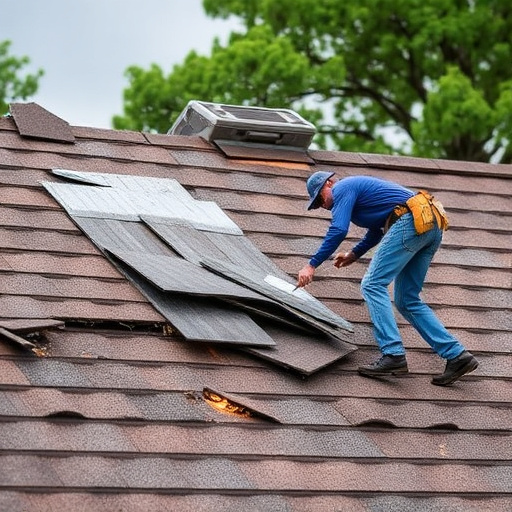
When a storm rolls in, especially during Tucson's monsoon season, identifying microburst shingle damage is a crucial step in safeguarding your home from water intrusion. These powerful, localized, and sudden gusts can leave telltale signs on your roof that require immediate attention from a licensed Tucson roofing contractor.
First, look for missing or damaged shingles, which could be a direct result of microburst winds. While it might not always be apparent from the ground, a close inspection reveals bare spots or irregular edges on your roofing materials. Shingles may also be curled, cracked, or bent, indicating that the force of the wind has warped them. These visual cues signal a need for a thorough assessment to prevent further damage and water intrusion, which can lead to unsightly and costly ceiling stains.
Flash flooding often accompanies microbursts, posing an additional threat. Look for water stains on your roof, walls, or in your attic, as these could be signs of water intrusion from a compromised roofline. During a storm, the ground can become saturated, leading to sudden, intense downpours that can cause significant damage in a short period. Early detection of microburst shingle damage, therefore, is key to mitigating the risk of water damage and ensuring your home's structural integrity.
In the event of a suspected microburst, take photos of any visible damage and contact your local roofing services for an emergency assessment. Remember, acting swiftly can save you from costly repairs and potential health hazards stemming from water intrusion and mold growth.
Temporary Repairs: Protect Your Home Until Help Arrives
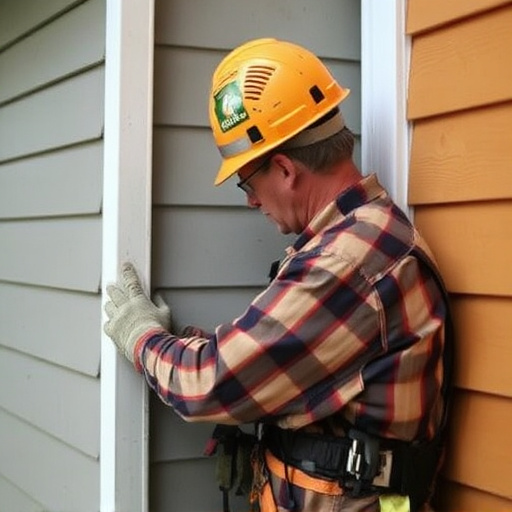
When a storm rolls in and your roof is damaged by microbursts, the last thing on your mind is the temporary repairs needed to keep your home safe. In the midst of a heavy downpour or intense winds, protecting your belongings from further damage and water intrusion is crucial. Fortunately, there are steps you can take to stop an active leak until an emergency roofer arrives, especially in the Catalina Foothills region where severe weather can be unpredictable.
The first step is to gather the right materials. If you have access to a tarp, you can secure it over the damaged area to block water from entering. A tarp is a quick fix, offering temporary protection until a professional arrives. Remember, a tarp is not a permanent solution; it's a bandage for your leaky roof. For more severe situations, especially with microburst shingle damage, consider using foam or foam-backed materials. These products can create a tight seal, providing superior protection from water intrusion.
Don't forget the importance of safety. If you're attempting these repairs yourself, be mindful of the risk of falling, especially if your roof is wet and slippery. Always wear appropriate safety gear, such as gloves and a hard hat, and never climb onto a ladder during active weather conditions. If the damage is extensive, or you're uncomfortable making repairs, contact a licensed Tucson roofer with an Arizona ROC license immediately. A professional roofer will have the expertise and tools to assess the situation accurately and make the necessary repairs, ensuring your home stays dry and safe until the storm passes.
Remember, an insurance adjuster will need to assess the damage once the storm has subsided. Keeping your roof dry and minimizing further damage is crucial for a successful insurance claim. By taking temporary measures, like securing a tarp, you'll protect your investment and make the recovery process smoother.
Post-Emergency: Prepare for Future Storms, Prevent Microburst Shingle Damage Naturally
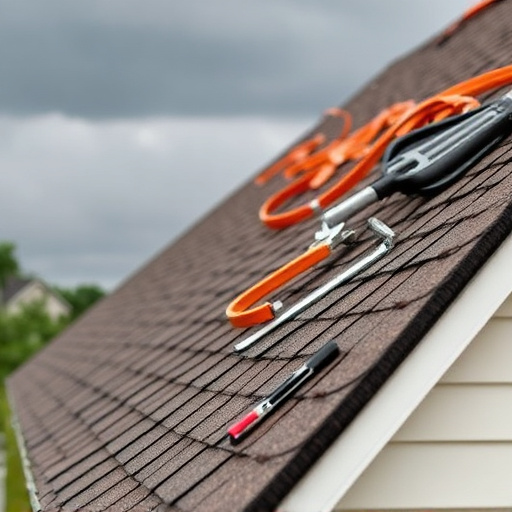
After a storm passes, especially a particularly intense one like those that occur during Tucson's monsoon season, many homeowners face the daunting task of assessing and preparing for potential future damage. While waiting for an emergency roofer to arrive, there are practical steps you can take to protect your home, especially from microburst shingle damage, a common and devastating occurrence in the Catalina Foothills.
Microbursts, intense columns of strong winds, can rip through roofs, causing significant damage. To mitigate this risk, start by inspecting your roof for any loose or missing shingles. Replace these as soon as possible, not only to prevent further damage but also to reduce the risk of electrical hazards. A fallen shingle near power lines can pose a serious danger. Check your gutters and drains. A clogged drain, especially during heavy rain, can lead to water pooling on your roof, creating an ideal environment for mold growth and structural damage. Keep gutters clear and ensure downspouts direct water away from your home's foundation.
One natural way to protect against microburst shingle damage is to invest in a high-quality, impact-resistant roofing material. Some manufacturers offer products designed to withstand extreme winds, providing added security during severe weather events. Consider professional photo documentation of your roof before and after storms. These images can be invaluable when filing insurance claims, demonstrating the extent of the damage and aiding in the claims process. Remember, an experienced Tucson roof specialist can offer expert advice tailored to your specific situation, ensuring your home remains safe and secure during and after the storm.
Frequently Asked Questions About practical advice on keeping a home safe and dry until an emergency roofer arrives
What should I do if I notice a small leak in my roof? If you spot a minor leak, turn off the water supply at the main valve to prevent further damage. Place buckets or trays beneath the leak to catch water and protect floors. Contact a local roofing contractor for an urgent assessment. A licensed roofer can provide a temporary patch or tarp to stop water intrusion until a more permanent fix is arranged.
How do I know if water damage is coming from my roof or another source? Examine your home for signs of moisture or mold growth, especially in areas like attics, basements, or near windows. Check for stains on ceilings or walls, which might indicate a leak. Water damage can stem from various sources, including pipes, appliances, or structural issues. A thorough inspection by a professional will help pinpoint the origin.
When should I call an emergency roofer, and what should I expect? Contact an emergency roofer immediately if you suspect a severe leak, water intrusion, or structural damage from a roof issue. These professionals are equipped to handle urgent situations. Expect them to assess the damage, provide a temporary fix, and offer a detailed estimate for the full repair, including materials and labor.
Can I attempt to fix a roof leak myself, or should I always hire a professional? While some minor repairs can be tackled by homeowners, complex roof leaks often require professional expertise. Hiring a licensed roofer ensures the job is done correctly, preventing further damage. Professionals have the tools and knowledge to access hard-to-reach areas and provide long-term solutions, making them the safest choice for significant leaks.
What documentation should I keep regarding my roof repairs and replacements? Maintain records of all communication with roofing contractors, including estimates, contracts, and progress reports. Keep receipts for any payments made. These documents are essential for insurance claims and future reference. It's also beneficial to have photographs documenting the condition of your roof before, during, and after repairs.
How can I prepare my home for a severe storm to avoid roof damage? Before severe weather, trim any dead branches hanging over your roof. Ensure gutters are clear of debris to prevent water buildup. Consider investing in impact-resistant roofing materials, such as shingles rated for high winds. During and after storms, inspect your roof for damage and address any issues promptly to avoid long-term problems.
As Tucson's monsoon season approaches, understanding the signs of microburst shingle damage and knowing how to prevent it is crucial for every homeowner. By quickly assessing your roof for microburst impacts, you can make informed decisions about temporary repairs to keep your home safe and dry until an emergency roofer arrives. These repairs, such as securing loose shingles or tarping a leaky area, are vital to stop water intrusion and further damage.
Post-emergency, preparing for future storms and learning natural methods to prevent microburst shingle damage is a proactive step. This includes regular roof inspections, clearing debris from gutters, and considering eco-friendly roofing materials that offer enhanced resistance. By implementing these strategies, Tucson homeowners can mitigate the risks associated with intense weather events and ensure their properties remain well-protected.
This article equips readers with the knowledge to navigate a roofing emergency effectively, from immediate repairs to long-term storm preparedness. With these insights, you're better equipped to safeguard your home, reduce the impact of microbursts, and stay safe during Tucson's stormy seasons.
- Microbursts & Shingle Damage: During Tucson's monsoon, microburst winds can rip through roofs, causing missing or damaged shingles (bare spots, irregular edges, curled/cracked shingles). Look for these signs to prevent water intrusion and costly repairs.
- Water Intrusion & Flash Flooding: Microbursts often accompany flash flooding. Check for water stains on roof, walls, or attic to detect water intrusion. Swift action is crucial to mitigate damage and health hazards.
- Temporary Repairs: In a storm, secure a tarp over damaged areas to stop water entry until a licensed roofer arrives. For severe damage, use foam or foam-backed materials for superior sealing.
- Safety First: Always wear safety gear when making repairs. Never climb onto a ladder during active weather. Contact a licensed Arizona ROC roofer immediately for extensive damage.
- Post-Storm Preparation: Inspect roof for loose/missing shingles and replace them promptly. Clear gutters and drains to prevent water pooling and mold growth. Consider high-impact roofing materials and photo documentation for insurance claims.