In southern Arizona, monsoon season brings both the beauty of lush landscapes and the risk of severe weather events, including powerful storms and microbursts, which can cause significant roof damage. Emergency roof repairs during these times are crucial for home and business owners, yet navigating the costs and insurance implications can feel overwhelming. This article provides a plain language guide to understanding emergency roof repair expenses and insurance options in our region, highlighting the distinction between temporary and permanent repairs and offering practical insights for making informed decisions during and after a storm.
- Understanding Emergency Roof Repair Costs in Southern Arizona
- Navigating Insurance for Temporary vs. Permanent Repairs
- Preparing for Monsoon Season: A Guide to Effective Roof Maintenance
Understanding Emergency Roof Repair Costs in Southern Arizona
Understanding Emergency Roof Repair Costs in Southern Arizona
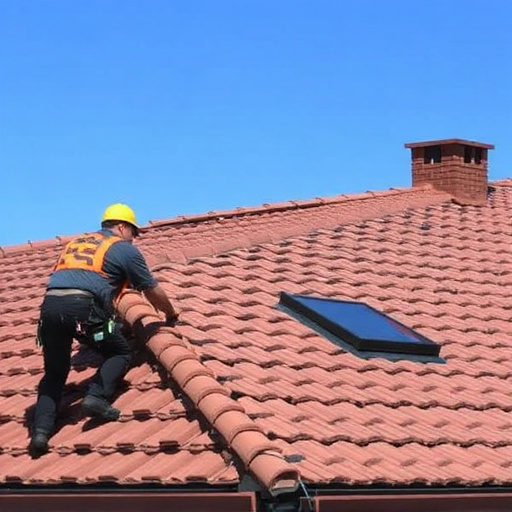
In the unpredictable monsoon season, sudden storms can cause severe roof damage, from fallen trees to microbursts. When a roofing emergency strikes, homeowners often face a crucial decision: temporary vs. Permanent roof repair. The former offers a quick fix, while the latter involves a complete replacement. A licensed roofing contractor serving Tucson and Oro Valley recommends assessing the extent of the damage and considering the structure's age. Broken tiles might be repaired, but if the roof is old and the damage extensive, a complete replacement might be more cost-effective.
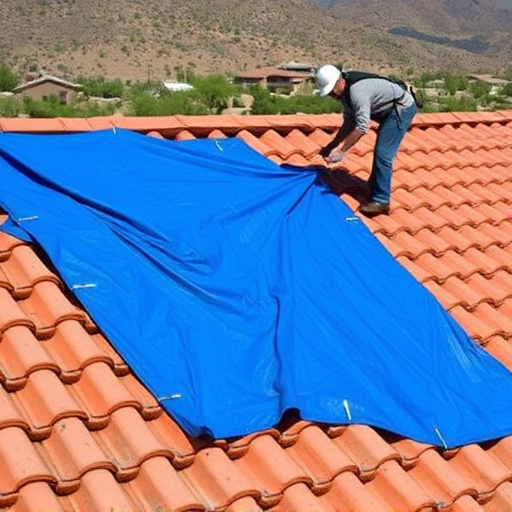
Emergency roof tarping is a common temporary solution, protecting the interior from further water damage while a more permanent fix is planned. However, it's not a long-term repair and should be seen as a stopgap measure. The cost of emergency tarping varies based on roof size and complexity, typically ranging from $500 to $2,000. It's crucial to work with a reputable contractor who can provide transparent pricing and quality workmanship. When dealing with an insurance claim, understanding the distinction between temporary and permanent repairs is vital. An insurance adjuster will assess the damage and determine which costs are covered, but it's up to the homeowner to decide between quick fixes and comprehensive solutions.
The price of permanent roof repairs in southern Arizona varies widely depending on the type of roof, the extent of damage, and the chosen materials. Asphalt shingles, for example, are more affordable than eco-friendly or historic materials. A complete roof replacement can cost anywhere from $5,000 to $15,000 or more, with parapet walls and other structural elements adding to the total. It's essential to get quotes from several contractors and compare the estimates. Check if your home insurance policy covers emergency roof repairs and understand the deductibles involved. Some policies have specific clauses for storm damage, which can significantly impact out-of-pocket expenses.
To make informed decisions, homeowners should familiarize themselves with local building codes and consult with a roofing expert. A qualified contractor can guide you through the process, ensuring that any temporary repairs meet safety standards and that permanent fixes are in line with building regulations. Consider the long-term benefits of proper roof maintenance, which can prevent future emergencies and the associated costs. Regular inspections and timely repairs can extend the life of your roof, offering peace of mind during the unpredictable monsoon season.
Navigating Insurance for Temporary vs. Permanent Repairs
Navigating the insurance landscape for roof repairs, especially after severe weather events like haboobs and microbursts, can be challenging. In southern Arizona, homeowners often face the dilemma of choosing between temporary and permanent roof repair solutions, each with its own insurance implications. This decision is crucial, as it impacts both the immediate safety of your home and your long-term financial burden.
When a roof is severely damaged, a temporary fix might be necessary to prevent further water intrusion and structural damage. This could involve using tarps or shrink wrap to cover the broken or missing tiles, a solution that's both quick and cost-effective. However, these are temporary measures. According to a Tucson roofer with an Arizona ROC license, "Tarp jobs are not meant to be long-term solutions. They give homeowners some breathing room, but they don't address the underlying issues that could lead to more extensive damage and higher insurance claims." The key is to understand that insurance policies typically cover the cost of temporary repairs as a matter of urgency, but they may not fully offset the expense of a permanent fix.
Permanent roof repairs, on the other hand, involve replacing or repairing the damaged sections of the roof, ensuring it's structurally sound and protected against future storms. These repairs are often more expensive and may require specialized knowledge and materials. In some cases, especially with historic homes, electrical safety considerations can add complexity. Homeowners should be aware that permanent repairs are generally not covered by standard home insurance policies; they usually require additional coverage, such as a special policy or rider. This is where understanding the difference between temporary and permanent repairs becomes crucial. A heavy microburst could blow off several shingles, necessitating a temporary tarp job. But if the storm also caused extensive damage to the underlayment or roof structure, a permanent repair may be required.
When deciding between temporary and permanent repairs, homeowners should consult their insurance provider. Many companies offer detailed guidelines and support during the claims process. It's also wise to document the damage with photos and keep records of all expenses related to the repair. In the event of a future claim, these records can help streamline the process and ensure you receive adequate compensation. Remember, while a quick fix might seem appealing, a thorough understanding of your insurance policy and the extent of the damage will ultimately save you money and protect your home.
Preparing for Monsoon Season: A Guide to Effective Roof Maintenance
Preparing for Monsoon Season: Navigating Emergency Roof Repairs in Southern Arizona
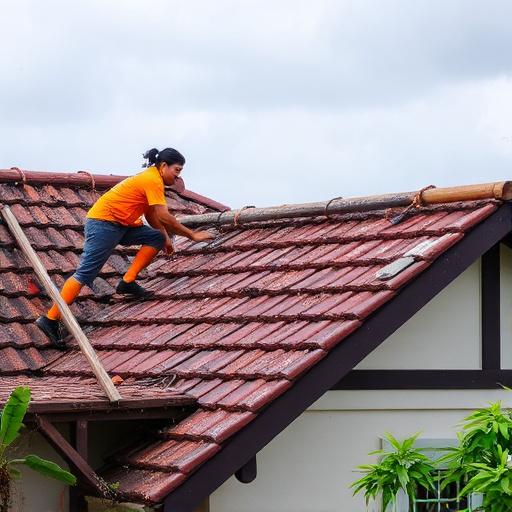
As southern Arizona prepares for the annual monsoon season, homeowners and property managers should be aware of the potential for severe weather events, including intense storms and powerful winds. One of the most critical aspects of roof maintenance during this time is understanding the difference between temporary and permanent roof repair solutions, especially when dealing with broken tiles and other damage. A Tucson roofer with an Arizona ROC license can provide expert guidance on these matters.
Temporary vs. Permanent Repairs
In the rush to address roof damage, it's crucial not to settle for temporary fixes. While tarps and shrink wraps can stop leaks immediately, they are not permanent solutions. A broken tile might be temporarily covered, but the underlying structure remains vulnerable. When strong winds and heavy rain hit during monsoon season, these temporary measures could fail, leading to further damage and costly repairs. Consider broken tiles as a sign that a more thorough inspection is needed. A professional roofer can assess the extent of the damage and recommend either temporary repairs for immediate peace of mind or permanent solutions for long-term protection.
Documenting Damage with Photos
Homeowners should embrace the power of visual evidence. Taking photos of damaged areas, such as broken tiles or water stains on ceilings, is invaluable. These photos not only serve as a record of the issue but also provide essential documentation for insurance claims. In the case of severe weather, like a microburst or heavy hail, photo documentation becomes even more critical. It allows insurers to quickly assess the damage and initiate the claims process, ensuring faster repairs and less downtime for your property. A Vail resident affected by a recent storm could use these photos to support a claim, potentially accelerating the recovery process.
The Insurance Perspective
For emergency roof repairs, understanding your home insurance policy is essential. Many policies cover storm damage, but the specifics vary. Some plans may require you to pay a deductible before insurance kicks in, while others may have specific deductibles for roof damage. Homeowners should review their policies to know what's covered and what steps to take during an emergency. If your policy includes coverage for fallen tree damage, you may not need to worry about immediate out-of-pocket expenses. However, for smaller issues like broken tiles, a temporary fix might be more economical in the short term, leaving a more significant repair for when the policy covers it.
Frequently Asked Questions About a plain language look at emergency roof repair costs and insurance in southern Arizona
What happens if I have an emergency roof leak in Oro Valley?
In an emergency, contact a licensed roofing contractor like DC Roofing of Arizona immediately. They will assess the situation, provide a temporary patch if needed, and offer a detailed estimate for the repair. It's crucial to act fast to prevent further damage and water intrusion, which can lead to mold and structural issues.
How much does an emergency roof repair typically cost in southern Arizona?
Emergency repairs can vary widely in cost, from a few hundred to several thousand dollars, depending on the extent of the damage. A small leak might only require a patch, while a large storm could cause widespread tiling, flashing, or underlayment damage. A licensed contractor will provide a precise estimate after inspection.
Does my home insurance cover emergency roof repairs?
Home insurance policies typically cover unexpected events like severe storms, leaks, or wind damage. However, the specifics depend on your policy and the cause of the emergency. Review your policy or contact your insurance company to confirm what's covered. DC Roofing of Arizona can also assist in navigating your coverage and filing a claim.
Are there ways to prevent emergency roof damage in Oro Valley?
Regular maintenance is key. Inspect your roof at least once a year for loose tiles, signs of wear, or potential leaks. Clearing gutters of debris prevents water damage and potential roof collapses. Also, consider using flat tile profiles, which are more durable against high winds and storms compared to other styles.
What should I do if I'm unsure about my insurance coverage for roof repairs?
If you're unsure, document the damage with photos and contact your insurance company. Explain the situation and ask for clarification on your coverage. DC Roofing of Arizona can also help clarify benefits and guide you through the claims process, ensuring you receive the necessary coverage for repairs.
Can I DIY an emergency roof repair, or should I hire a professional?
While some minor repairs can be DIY projects, most emergency roof repairs are best left to professionals. Attempting to fix a serious leak or damaged flashing can be dangerous and may void your warranty. A licensed contractor has the expertise and tools to handle these situations effectively and efficiently.
In southern Arizona, understanding emergency roof repair costs and navigating insurance claims for both temporary and permanent repairs are crucial for homeowners and business owners alike. By recognizing the difference between these two types of repairs, you can make informed decisions during monsoon season and beyond.
For temporary repairs, such as emergency tarping after a storm, the focus is on stopping the immediate leak and protecting your property from further damage. These repairs are typically covered by insurance, but understanding your policy and the process for filing a claim is essential. Many local roofing contractors in Oro Valley and the surrounding areas offer 24/7 services, ensuring quick response times.
Permanent repairs, on the other hand, involve more extensive work and may include replacing missing or broken tiles, repairing structural damage, or installing new roofing materials. While these repairs are necessary for long-term protection, they often come with higher costs. This is where insurance plays a significant role, with policies typically covering these expenses under specific conditions.
In preparing for monsoon season, regular roof maintenance is key to preventing emergency repairs. This includes inspecting for missing or loose shingles, sealing leaks around vents and pipes, and ensuring proper drainage. By addressing these issues proactively, you can significantly reduce the risk of urgent hail damage repairs or ceiling leaks during heavy rain.
Navigating emergency roof repair in southern Arizona requires a clear understanding of both temporary and permanent repair options, insurance coverage, and proactive maintenance strategies. By following these guidelines, homeowners and business owners can protect their investments, ensure peace of mind, and make informed choices during monsoon season and all year round.
In southern Arizona's monsoon season, homeowners face a crucial choice: temporary vs. Permanent roof repair after storms. Temporary fixes like tarping stop water damage but aren't long-term solutions. A licensed roofer recommends assessing damage, considering roof age, and balancing cost with safety. Homeowners should document damage with photos, review insurance policies, and understand that permanent repairs, while more expensive, offer lasting protection. A microburst could require a permanent fix, avoiding future claims. Regular inspections and timely repairs extend roof life, offering peace of mind.