As Tucson prepares for the intense summer monsoon season, homeowners face heightened risks from sudden, severe weather events. Leaks, fallen trees, and microbursts are common during these storms, posing urgent roof repair needs. A single drop of water from a leak can lead to significant mold growth if left unaddressed, so understanding how to stop active leaks and navigate the emergency repair process is crucial for maintaining a safe and healthy home. This guide provides seasonal advice and expert insights on handling roof emergencies during the monsoon, empowering Tucson property owners to protect their investments and ensure their well-being.
- Prevention: Protecting Your Roof During Tucson's Monsoon
- Identifying Leaks: Early Signs & Natural Mold Mitigation
- Post-Storm: Emergency Repairs & Long-Term Solutions
Prevention: Protecting Your Roof During Tucson's Monsoon
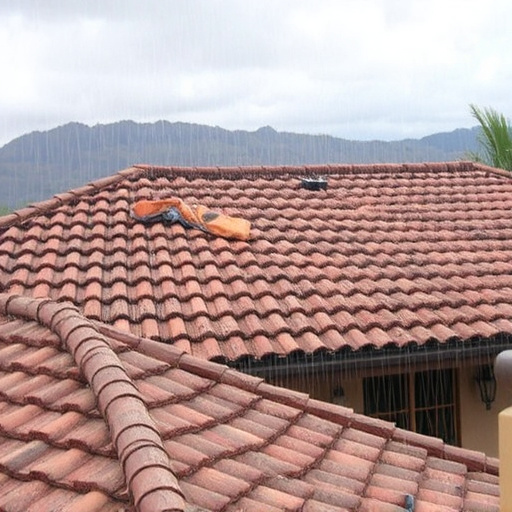
The monsoon season in Tucson brings a mix of challenges, especially for your roof. While many homeowners focus on preventing flooding and electrical safety during these intense weather patterns, the roof is often overlooked. Yet, it's a critical component of your home's defense against the elements. Here's how to protect your roof during the monsoon, minimizing the risk of damage and subsequent mold after a roof leak.
One of the most common monsoon-related roof issues is hail damage. The intense, heavy rain can sometimes be accompanied by hail, which can leave visible punctures and dents in your roof. To prevent this, regular roof inspections by a licensed Arizona roofer are key. Look for signs of loose or missing shingles, which could indicate a more severe problem. A recent inspection by DC Roofing of Arizona revealed a homeowner with a mobile home had successfully avoided extensive hail damage by catching the issue early. Regular maintenance, including cleaning gutters and drains, is crucial to keeping your roof in top condition.
Beyond preventing physical damage, the monsoon also presents a risk of electrical safety hazards. Water seeping into the roof can cause short circuits or even electrical fires. Always ensure that any electrical repairs or replacements are handled by certified professionals. Be vigilant about water pooling around your property's parapet walls. These walls act as a barrier against potential roof collapse and must be in good condition to function effectively. Regularly clearing debris from drains and gutters will prevent clogs, ensuring proper water flow and reducing the risk of water damage and subsequent mold growth.
While the monsoon season brings its share of challenges, proactive measures can significantly reduce the impact on your roof. Regular inspections, maintenance, and addressing potential hazards early on are essential. Remember, while the focus may be on preventing flooding and electrical safety, your roof is a crucial defense against the elements. By taking the necessary steps, you can protect your investment and ensure your home remains a safe haven, even during the most intense monsoon storms.
Identifying Leaks: Early Signs & Natural Mold Mitigation
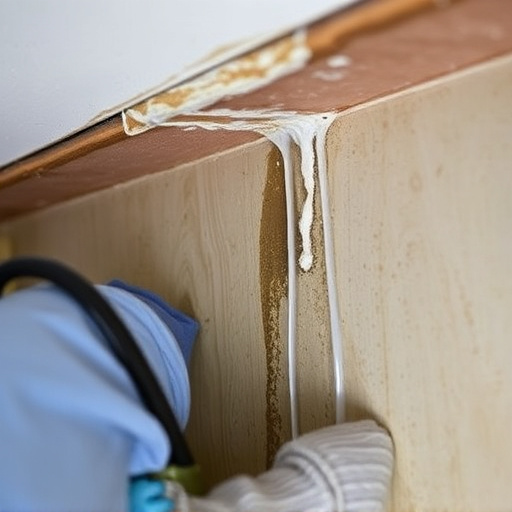
In the monsoon season, heavy rains and sudden storms can expose vulnerabilities in your home's roof, leading to leaks that require immediate attention. Early detection of these leaks is crucial, as it can prevent significant damage and the costly mold issues that often follow. While many homeowners wait until they see a clear water leak, there are subtle signs to watch out for that indicate a problem may be brewing. These include discolored or bulging ceilings, spots on the walls, and musty odors. A local Tucson roofing company recommends staying proactive during these wet periods.
One of the first steps in addressing a potential roof leak is to assess the damage visually. After a storm, take a thorough look at your roof. Look for missing or damaged shingles, as these can expose the underlayment to the elements. Microbursts, intense localized thunderstorms, are a common occurrence during the monsoon and can cause significant shingle damage. If you suspect a microburst has struck, photo documentation can be invaluable when filing an insurance claim with an adjuster.
While some leaks may be temporary fixes, such as a clogged roof drain during a heavy haboob, others signal more urgent issues. A persistent ceiling leak in heavy rain could indicate a problem with the roof's structure or flashing. In these cases, it's best to contact a professional roofer immediately. Emergency roof repair services can provide temporary tarping to stop the leak and protect your home from further damage, allowing for a thorough inspection and permanent repair. Remember, the longer a leak goes unnoticed, the greater the potential for mold growth-a common and costly consequence of water intrusion.
Post-Storm: Emergency Repairs & Long-Term Solutions
After a storm, the Tucson monsoon brings a surge of roof emergencies, from minor leaks to severe structural damage. The National Weather Service Tucson forecasts the intensity of these events, but the impact on your home isn't always predictable. Once the storm passes, the immediate concern becomes stopping any active leaks, especially as heavy rain can quickly turn into a disaster.
Emergency Repairs: Prompt action is crucial. A licensed Tucson roofing contractor can provide immediate relief by securing tarps or using foam to seal leaks, offering temporary protection while a more thorough assessment is conducted. This is particularly vital for stopping water intrusion that could lead to mold after a roof leak, damaging interior finishes and posing health risks. A recent Vail storm revealed numerous cases of water seeping through broken shingles, highlighting the importance of swift response.
Long-Term Solutions: Beyond the immediate fix, it's essential to consider the root cause of the damage. Hail, a common occurrence during Tucson's monsoon, can leave significant marks on roofs. A roofing expert can evaluate the extent of the damage, recommending repairs ranging from replacing missing or damaged shingles to reinforcing the roof structure. In cases of severe microburst shingle damage or even roof collapse, a complete roof replacement might be necessary. Remember, the goal is to ensure your home is secure and protected from future storms.
Frequently Asked Questions About seasonal advice on roof emergencies during the Tucson monsoon
What are the most common roof emergencies during the Tucson monsoon? The Tucson monsoon brings intense storms and high winds, leading to several common roof emergencies. These include leaks caused by wind damage, such as missing or damaged shingles, as well as structural damage from heavy rainfall. Flashing issues and clogs in gutters and drains are also prevalent, exacerbated by the rapid accumulation of debris during monsoon season.
When should I call a professional for roof damage during the monsoon? If you notice any signs of significant roof damage, such as extensive leaks, missing shingles, or signs of structural weakness, it's crucial to contact a professional roofer immediately. DC Roofing of Arizona, a licensed Tucson roofing contractor, recommends addressing these issues promptly to prevent further complications and costly repairs.
How do I know if my roof is in need of repair or replacement? Regular inspection is key. Look for loose, curled, or missing shingles, as well as signs of water damage or discolored spots on the ceiling or walls. A licensed Arizona roofer can perform a thorough assessment to determine the extent of the damage and recommend the best course of action, whether repair or replacement.
What should I do if I suspect a leak in my roof? Identify the source of the leak by checking for wet spots or stains on your ceiling or walls. Turn off the water supply to the affected area and contact a local Tucson roofing company with an Arizona ROC license. They can quickly locate the leak, make temporary repairs, and provide a detailed estimate for the necessary repairs.
Are there any specific safety precautions I should take during a roof emergency in the monsoon? Absolutely. Avoid climbing on the roof during active storms due to lightning and high winds. Instead, turn off electrical power to the affected area if possible. Use a ladder and safety gear when inspecting from the ground, and never enter a flooded basement or attic as it may be hazardous. Electrical shorts and mold growth can be hidden in flooded areas.
How can I prepare my roof for the Tucson monsoon to prevent emergencies? Regular maintenance is key. Schedule a professional inspection before the monsoon season begins. Remove dead leaves and debris from gutters and drains to prevent clogs. Ensure proper ventilation to reduce heat buildup, which can cause shingles to curl and become vulnerable to wind damage. Replacing worn or damaged shingles before the monsoon can also significantly reduce the risk of emergencies.
What insurance coverage do I need for roof damage during the Tucson monsoon? Review your home insurance policy to understand coverage for roof damage. Most policies cover storm-related damage, but the extent varies. Document the damage with photos and contact your insurance provider for guidance on filing a claim. DC Roofing of Arizona can also assist in navigating insurance claims for their clients.
As the Tucson monsoon season reaches its peak, it's crucial to summarize key insights for homeowners and property managers. This article has provided a practical guide on roof emergencies, from prevention and early leak detection to post-storm repairs. By understanding the signs of potential issues, such as strange noises or water stains, and implementing basic maintenance, residents can mitigate damage. In the event of a roof leak, prompt action is vital: contacting a certified, locally-reputable roofer like DC Roofing of Arizona for emergency tarping and temporary repairs can prevent extensive mold growth and further structural damage. Being aware of the specific challenges posed by microbursts and heavy rains ensures that every homeowner is prepared for the unique demands of Tucson's monsoon season. The practical advice and industry insights shared here empower readers to safeguard their investments and maintain safe, secure living spaces.
Monsoon Roof Emergency Preparedness:
- Hail Damage Prevention: Regular inspections by a licensed roofer are key to spotting loose or missing shingles, avoiding extensive hail damage.
- Electrical Safety: Water seeping into the roof can cause electrical hazards. Ensure certified professionals handle repairs to prevent short circuits and fires.
- Gutter & Drain Maintenance: Clear debris to prevent clogs, ensuring proper water flow and minimizing water damage and mold growth risks.
- Early Detection of Leaks: Look for subtle signs like discolored ceilings, wall spots, or musty odors. Photo documentation aids insurance claims.
- Emergency Repairs: Prompt tarping by professionals stops active leaks and prevents mold after a roof leak.
- Long-Term Solutions: Address root causes: hail damage, microbursts, or structural issues. Consider roof replacements for severe damage.