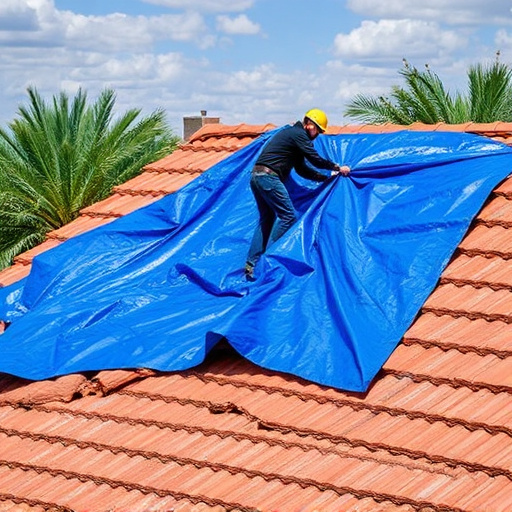
In the unpredictable monsoon season of Tucson, sudden roof damage from storms, fallen trees, or microbursts can leave your property vulnerable. Whether it's a broken tile, a ceiling leak during heavy rain, or urgent hail damage repair, temporary emergency fixes are crucial to protect your home and belongings. This guide provides homeowners and property managers with actionable steps and expert insights for addressing tile, foam, shingle, and flat roof issues common in our area. We'll explore how to stop an active leak, choose between tarping and shrink wrapping, and navigate the insurance claims process. By the end, you'll be equipped to handle these emergencies with confidence, ensuring your peace of mind during Tucson's unpredictable weather.
- Assessing Temporary Roof Repairs for Tucson Homes
- Urgent Hail Damage Fix: Protecting Your Property
- Long-Term Solutions After Natural Disasters
Assessing Temporary Roof Repairs for Tucson Homes
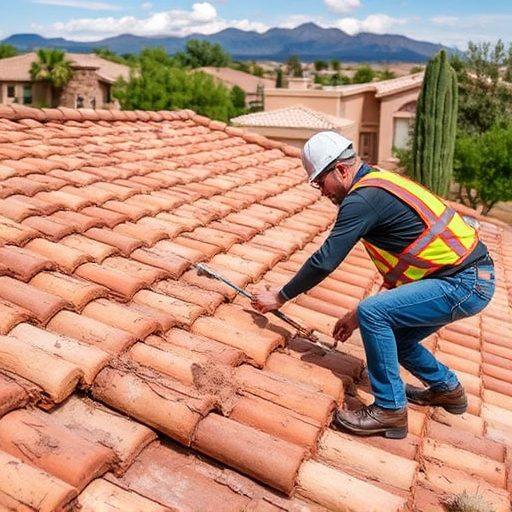
When Tucson faces the relentless onslaught of monsoon season, homeowners must be prepared for unexpected events, especially urgent hail damage repair. In such situations, assessing temporary roof repairs can be crucial to mitigate further damage and ensure home safety. This section offers a strategic approach to handling tile, foam, shingle, and flat roofs-the most common roofing types in the region.
If a storm has left behind a layer of hail, the first step is to assess the extent of the damage. Look for missing or damaged shingles, tiles, or foam panels. In the event of heavy flash flooding, scuppers (drainage features designed to prevent water accumulation) might be blocked, leading to ponding on your roof. A Tucson roofer with an Arizona ROC license (Residential Operating Certificate) can inspect these areas and provide temporary fixes. For broken roof tiles, a simple temporary solution is to cover the gaps with roofing tarps to prevent water intrusion. In cases of microburst damage, where strong winds can lift shingles, a skilled contractor can secure the remaining shingles and install temporary repairs until a permanent fix is feasible.
When considering temporary vs. Permanent roof repair, it's essential to evaluate the urgency. In situations like an active ceiling leak during heavy rain, an immediate, temporary fix may be necessary to avoid further damage and water intrusion. This could include using a tarp or shrink wrap to cover the leak until a more permanent solution can be implemented. However, for more complex issues, like a roof collapse or significant structural damage, it's best to consult a professional roofing contractor. They can provide expert advice and, if needed, coordinate with insurance companies for urgent hail damage repair and claim processing.
Remember, during a crisis, not all emergency roofers are created equal. Homeowners should look for licensed and reputable contractors, especially when dealing with the unique roofing challenges of Tucson's monsoon season. Properly addressing temporary repairs can ensure your home stays protected until a more comprehensive solution can be put in place.
Urgent Hail Damage Fix: Protecting Your Property
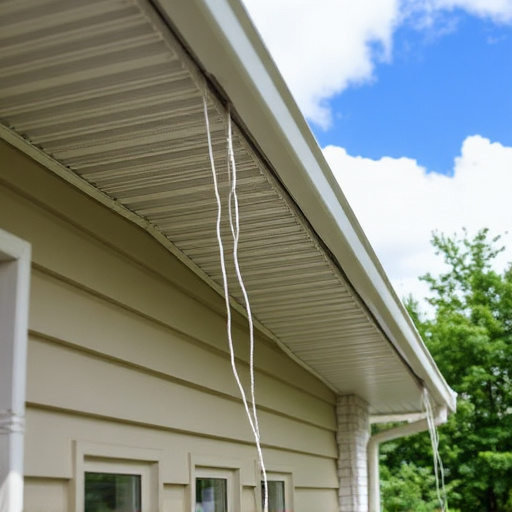
Urgent hail damage repair is a critical skill for Tucson homeowners, especially during the region's notorious monsoon season. When hail impacts your tile, foam, shingle, or flat roof, immediate action is key to minimizing damage and potential interior harm from water intrusion. Given the unpredictable nature of severe weather events, such as microbursts, it's vital to understand how to make temporary emergency fixes until a professional can arrive.
If hail has punched through your roof tiles, leaving bare spots that could allow water to seep in, a temporary solution involves placing tarps strategically over the affected areas. This method, while not a permanent fix, effectively prevents further water damage until a roofer can replace the damaged tiles. In the case of hail-damaged shingles, tarps can also be utilized, but it's crucial to ensure they're securely fastened to avoid any additional risks. For flat roofs, a similar tarp application is suitable, with the added measure of checking for any signs of ponding water, which could indicate a more serious issue.
When dealing with hail damage, it's essential to act swiftly to prevent flash flooding and interior water damage. If you're unsure about the severity of the damage, it's best to consult with a local Tucson roofing company. Remember, an insurance adjuster will likely need to assess the damage before repairs can commence, so documenting the situation with photos is a smart initial step. This process streamlines the insurance claim, ensuring you receive the necessary coverage for your urgent hail damage repair.
Long-Term Solutions After Natural Disasters

In the wake of natural disasters like microbursts and severe storms, urgent hail damage repair becomes a critical need for Tucson homeowners and business owners alike. When faced with extensive tile, foam, shingle, or flat roof damage, it's crucial to understand the distinction between temporary emergency fixes and long-term solutions. This is especially true for areas prone to frequent monsoon seasons and extreme weather events, such as our region.
For tile and shingle roofs, a licensed Arizona roofer might recommend a temporary fix like emergency tarping to prevent further water intrusion and minimize damage. This step is essential, but it's a Band-Aid solution. The true focus should be on assessing the extent of the damage and planning for both immediate and long-term repairs. If microbursts have left a trail of broken tiles or torn shingles, a professional roofer will not only replace the damaged materials but also inspect the underlayment and structure for any vulnerabilities. In cases of severe ponding on flat roofs, immediate attention is required to avoid water damage and mold growth. A temporary fix might involve shrinking the ponding area to alleviate pressure on the roof, but this is a temporary measure. The ultimate solution involves addressing the root cause, such as poor drainage or flashing issues, to prevent future flat roof ponding and ensure the longevity of the roof.
While temporary fixes are essential for home and business safety during a roof leak, they are not a substitute for professional, thorough repairs. After a storm, many homeowners rush to get a quick fix, such as a tarp or temporary seal. However, this can lead to missed opportunities for identifying deeper issues. Ceiling stains, for example, might be an indication of a larger problem, like a leaking roof or clogged drains, rather than just a broken tile or two. An experienced roofer will assess these signs and address the root causes, ensuring that the roof is properly sealed and protected against future storms. In the long term, this prevents urgent hail damage repair costs from escalating and minimizes the risk of roof collapse, especially in historic homes or mobile homes, which require specialized care.
Long-term solutions involve more than just fixing the immediate problem. It's about understanding the local climate, building codes, and the specific needs of each roof type. In areas prone to heavy rain and monsoons, proper drainage systems and flashings are crucial to protect against clogged roof drains and persistent water intrusion. Community support programs and affordable housing initiatives can also play a role in providing resources for urgent roof repairs, ensuring that all property owners can access the necessary services without undue financial strain. By prioritizing both immediate and long-term strategies, Tucson residents can better protect their homes and businesses from the impacts of natural disasters, ultimately leading to safer and more resilient communities.
Frequently Asked Questions About a guide to temporary emergency fixes on tile, foam, shingle and flat roofs common in Tucson
What are the most common types of roofs in Tucson? Tucson homes often feature tile, foam, shingle, and flat roofs, each requiring specific care and repair techniques. Tile roofs, popular for their durability and aesthetic appeal, need careful cleaning and occasional re-sealing. Foam roofs, lightweight and insulating, may require repairs after severe weather events. Shingle roofs, common in many areas, can be repaired by replacing individual shingles, while flat roofs demand regular inspection for leaks and damage.
How do I temporarily fix a leaking flat roof in Tucson? First, locate the source of the leak using tar paper and a flashlight. Temporarily patch the hole with a piece of tarpaulin or a water-resistant membrane. Ensure the area is clean and dry before applying the patch. For a more permanent fix, consult a licensed roofer for professional repair and replacement if necessary.
Are there DIY options for repairing a damaged tile roof? While some minor tile repairs can be DIY, complex tile roofs are best left to professionals. Removing and replacing individual tiles requires specialized tools and knowledge. DIYers can clean the roof, repair loose tiles, and re-grout, but for significant damage, hire a Tucson roofing contractor with experience in tile repairs.
How can I protect my foam roof from damage in extreme heat? Regular cleaning and inspection are crucial. Remove debris and algae buildup, as these can weigh down the roof and block drainage. Re-seal the roof every few years to prevent water absorption. During extreme heat, provide additional shade to reduce temperature fluctuations that can compromise the foam's integrity.
What's the best way to handle a missing shingle after a storm? Inspect your roof immediately after a storm and gather any missing shingles. Temporarily patch the hole with a matching shingle or underlayment to prevent water intrusion. Contact a roofing service for a professional repair, ensuring your roof is secure and weather-tight.
When should I replace my roof instead of repairing it? Roof replacement is necessary when damage is extensive, the roof is old and past its lifespan, or frequent repairs are costly and ineffective. A licensed roofer can assess your roof's condition and recommend the best course of action, whether repair or replacement, considering Tucson's unique climate and roofing materials.
Understanding how to implement temporary emergency fixes on various roofing types is crucial for Tucson homeowners, especially during the region's notorious monsoon season. This article has provided a practical guide to addressing urgent hail damage repair, offering valuable insights into the most effective and practical solutions. Key takeaways include the importance of quick action, choosing the right materials like tarps and shrink wrap, and prioritizing safety when assessing damage.
When facing a broken roof tile or a leaky swamp cooler, a temporary fix may be the best immediate solution. However, it's also vital to recognize when a temporary patch is just that-a temporary measure-and plan for long-term repairs after the storm has passed. Regular maintenance, understanding local building codes, and knowing the signs of severe damage, like a roof collapse, are essential steps in safeguarding your property.
By following these guidelines and staying informed about the unique challenges posed by Tucson's weather, homeowners can effectively navigate emergency roof repairs, ensuring their homes remain safe and protected. This article's focus on practical, actionable steps positions it as a reliable resource for navigating the complexities of roof emergency repairs in the Oro Valley area.
In the Tucson region, facing frequent monsoon seasons and extreme weather events, understanding the distinction between temporary and permanent roof repairs is crucial for homeowners. For tile, foam, shingle, and flat roofs damaged by hail, microbursts, or storms, immediate temporary fixes like tarping prevent water intrusion and further damage. These are Band-Aids, however, requiring professional assessment and long-term solutions.
An experienced Arizona roofer can provide:
- Temporary Emergency Repairs: Tarping to stop water, securing remaining shingles, addressing scupper blockages for flat roofs.
- Comprehensive Assessments: Identifying deeper issues like roof leaks, mold, or structural vulnerabilities.
- Long-term Protection: Implementing proper drainage systems, flashings, and specialized care for historic homes.
Swift action, professional expertise, and both immediate and long-term strategies are vital for effective urgent hail damage repair, ensuring home safety and minimizing costs.