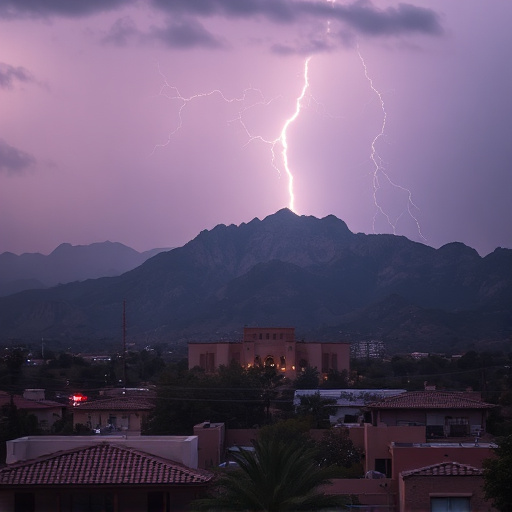
In monsoon season, southern Arizona faces a unique challenge: sudden, severe weather events that can leave homes and businesses vulnerable to emergency roof repairs. Whether it's a fallen tree, microburst damage, or a leaky swamp cooler, the need for swift, reliable, and affordable solutions is critical. Homeowners and business owners alike struggle with the cost of these repairs, especially after-hours or during weekends, and are often uncertain about insurance coverage.
Understanding the difference between a temporary roof tarp and a permanent fix, and knowing how to navigate insurance claims, is crucial for mitigating damage and ensuring home safety during these emergencies. This article provides plain-language insights into emergency roof repair costs and insurance options in southern Arizona, empowering readers to make informed decisions.
- Understanding Emergency Roof Repair Costs in Southern Arizona
- Navigating Insurance Coverage for Temporary Repairs: Roof Tarp vs. Shrink Wrap
- Step-by-Step Guide to Effective Emergency Roof Damage Management
Understanding Emergency Roof Repair Costs in Southern Arizona
Understanding Emergency Roof Repair Costs in Southern Arizona
During the monsoon season, intense storms can bring unexpected challenges, especially when a tree falls on your roof or a microburst causes extensive shingle damage. In these situations, a quick response is crucial. Homeowners often wonder how much emergency roof repairs cost and what to expect from the insurance process. This is particularly true for residents in southern Arizona, where local building codes and roofing materials play a significant role in pricing.
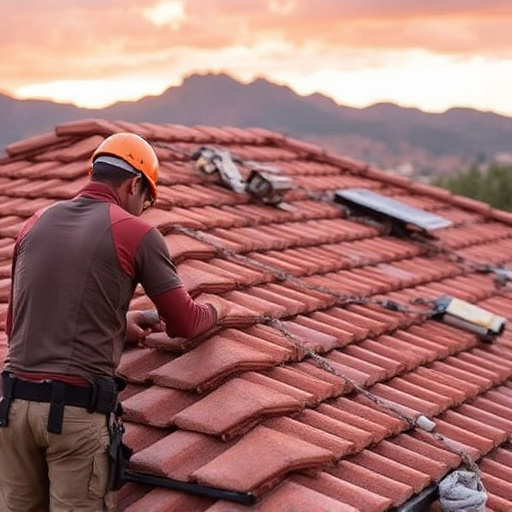
When a roof is severely damaged, a temporary fix like emergency tarping is essential to stop water intrusion. This process involves placing a protective layer over the affected area, typically with either a tarp or shrink wrap, to prevent further leaks. While tarping is a short-term solution, it's a vital step before a more permanent repair can be made. If a scupper (drainage system) is clogged during a heavy rainstorm, water can pool on a flat roof, causing damage and even mold growth. A licensed Tucson roofing contractor can quickly assess the situation and implement either tarping or shrink wrap as needed.
The cost of emergency tarping varies based on the size of the repair and local labor rates. In southern Arizona, a basic emergency tarping service can range from $500 to $1500, depending on the complexity and the materials used. This is a temporary solution, and a thorough repair will be necessary to ensure the long-term integrity of your roof. If a broken roof tile exposes the underlayment to the elements, a complete replacement may be required, involving more extensive work and materials than just tarping. In cases of severe damage, such as a roof collapse or extensive microburst damage, the costs can escalate significantly, underscoring the importance of prompt, professional assessment.
Navigating Insurance Coverage for Temporary Repairs: Roof Tarp vs. Shrink Wrap
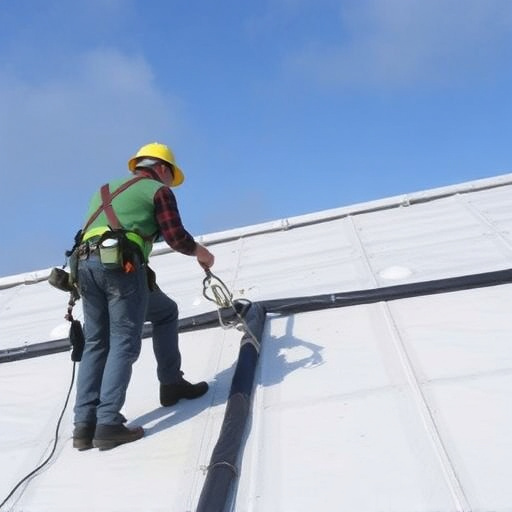
In southern Arizona, navigating emergency roof repairs during the monsoon season requires understanding the difference between temporary fixes like roof tarping and shrink wrapping. These immediate measures stop active leaks but serve different purposes. A roof tarp is a quick, temporary solution, often used when a roof is severely damaged by hail or flash flooding, preventing further water intrusion until a more permanent repair can be scheduled. Conversely, shrink wrap is a protective layer applied over existing shingles to shield them from extreme weather, ideal for minor leaks or as a pre-monsoon preventative measure.
The National Weather Service Tucson frequently issues warnings for severe weather events, including hailstorms and flash flooding, that can leave roofs vulnerable. When considering a roof tarp vs shrink wrap, homeowners should consult a Tucson roofer with an Arizona ROC license for expert advice. A professional roofer will assess the extent of the damage and recommend the most suitable temporary repair method. If a roof has multiple missing or damaged shingles, a tarp is preferable to protect against further water damage until a full repair can be completed. In contrast, if the issue is isolated to a few spots of missing underlayment, shrink wrap can offer a quick, less invasive solution.
While both options provide short-term relief, they differ in cost and longevity. Roof tarps are generally more affordable and can last one to two days, depending on the material and installation quality. Shrink wrap, on the other hand, offers a slightly longer-term solution, lasting 3 to 5 years, making it a more economical choice for minor leaks or as a temporary fix while waiting for insurance adjustments. However, it's crucial to remember that these are temporary measures, and a thorough inspection by a licensed roofer is necessary to determine the root cause of the leak and plan for permanent repairs.
Understanding the nuances of roof tarp vs shrink wrap empowers homeowners to make informed decisions during emergencies. By working with a local roofing contractor, residents can ensure their homes are protected until permanent repairs can be made, especially during the unpredictable monsoon season.
Step-by-Step Guide to Effective Emergency Roof Damage Management
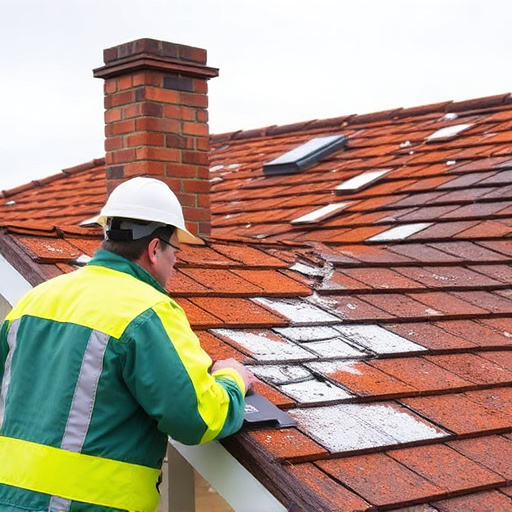
During southern Arizona's monsoon season, heavy rains and sudden storms can cause significant roof damage, from fallen trees to microbursts. In such emergencies, understanding the quick steps to manage roof damage is crucial, whether it's a leaky swamp cooler or a collapsed adobe roof. This guide focuses on effective emergency roof damage management, emphasizing the difference between temporary fixes like tarping and permanent repairs, and how to navigate insurance claims in Midtown Tucson and beyond.
Immediate Action: Tarping vs. Shrink Wrap
The initial step in any roof emergency is to protect against further damage. A licensed Arizona roofer can quickly install a tarpaulin (tarping) over the damaged area to stop water intrusion. This temporary fix is ideal for leaks or pending repairs during a storm. Alternatively, for minor issues, a simple shrink wrap can seal the leak until a permanent fix is arranged. However, tarping is generally more robust and suitable for heavier rainfall and longer-term protection.
Documentation and Safety
After the immediate fix, document the damage thoroughly. Take photos of the affected area and keep records of all expenses related to the emergency. Safety is paramount; never attempt to climb or inspect a damaged roof yourself. Evacuate the premises if necessary, especially during a haboob, and contact a professional roofing contractor. The Tucson Roofers Association and local building codes can provide guidelines on safe practices and required permits for repairs.
Navigating Insurance Claims
Roof damage claims can be complex. Homeowners should review their insurance policies during monsoon season. Many policies cover weather-related damage, but specifics vary. Contacting your insurance provider and a trusted roofing contractor simultaneously ensures a swift process. The roofing contractor can assess the damage, provide estimates, and guide you through the claims process. For commercial properties, consult with a commercial roofing contract and your business insurance provider for tailored advice.
Long-Term Solutions and Community Support
While tarping and shrink wrap offer temporary solutions, permanent repairs are essential for a safe and secure home. Community support programs and affordable housing initiatives may offer assistance for roof replacements.
Frequently Asked Questions About a plain language look at emergency roof repair costs and insurance in southern Arizona
What are the typical costs for emergency roof repairs in this region?
In southern Arizona, emergency roof repairs can vary significantly based on the extent of the damage, the type of roofing material, and local labor rates. A minor leak or repair might cost around $500 to $1,000, while more severe issues like storm damage or roof replacement can easily exceed $5,000. A complete roof replacement after a monsoon storm could range from $10,000 to $20,000, depending on the size of the property and the materials chosen.
How does insurance cover emergency roof repairs?
Homeowners' insurance policies in southern Arizona typically cover storm damage and other unforeseen events. Emergency roof repairs are usually considered a part of structural damage, and insurance companies will assess the loss before providing a claim settlement. It's crucial to review your policy's specific terms and conditions regarding deductibles and coverage limits. DC Roofing of Arizona, a licensed Tucson roofing contractor, advises reviewing your policy and understanding your coverage before initiating repairs.
What should I do if my roof is damaged during monsoon season?
First, assess the damage. If the damage is minor, such as a few missing shingles, you might be able to tarp the area temporarily. However, for significant leaks, structural damage, or extensive missing shingles, contact a licensed roofer like DC Roofing of Arizona immediately. They can provide an emergency repair, securing your home and preventing further damage. Remember, quick action is vital during monsoon season.
Who is responsible for obtaining permits for emergency roof repairs?
In most cases, the homeowner is responsible for obtaining permits for emergency roof repairs in southern Arizona. While local building codes may vary, a licensed roofer like a Tucson roofer with an Arizona ROC license will handle the necessary paperwork and ensure compliance. This is crucial to avoid any legal issues and to ensure the work is done safely and up to code.
Can I DIY emergency roof repairs, or should I hire a professional?
While some minor roof repairs can be tackled by homeowners, emergency repairs, especially after severe weather, are best left to professionals. A licensed roofing contractor has the skills, tools, and knowledge to assess and fix the issue quickly and safely. Attempting DIY repairs could lead to further damage or safety hazards, and insurance companies may not cover such repairs.
What documentation should I gather before filing an insurance claim for roof damage?
Before filing an insurance claim, gather important documentation. This includes photos of the damage, a detailed description of the repairs needed, and estimates from licensed roofers. Keep records of all communications with your insurance company and the contractor. DC Roofing of Arizona recommends documenting everything to streamline the claims process and ensure a faster resolution.
In southern Arizona, understanding emergency roof repair costs and navigating insurance coverage are crucial steps during the monsoon season. By familiarizing themselves with the process, homeowners can effectively manage roof damage and make informed decisions. The article has outlined key aspects, such as the need for professional assessment and the distinction between temporary repairs, like roof tarping and shrink wrapping. These initial interventions stop active leaks and protect homes until a more permanent fix can be arranged.
A practical next step is to review insurance policies, especially home insurance, to understand coverage for emergency roof repairs. Many policies include provisions for temporary cover, but the specifics vary. Knowing the difference between tarping and shrink wrapping, and when each is appropriate, can help homeowners choose the most suitable temporary solution.
This guide has empowered readers to take charge of their roof damage situations, ensuring they make cost-effective and timely choices during the unpredictable weather of southern Arizona's monsoon season.
In southern Arizona's monsoon season, homeowners face emergency roof repairs from storms. Tarping stops water intrusion temporarily (up to $1500), while shrink wrap offers a longer-term, less expensive solution (3-5 years) for minor leaks. Both require expert assessment from a licensed roofer. Document damage, contact insurance providers, and explore community support for permanent repairs.