The Tucson monsoon brings intense weather events that can turn a minor roof leak into a serious home safety hazard. As heavy rains and strong winds sweep through, damaged roofs can leave your home vulnerable to water intrusion, structural damage, and even mold growth. This is where a swift and reliable emergency roofer first visit becomes crucial.
The challenge lies in finding a roofing specialist who understands the unique demands of monsoon season, can respond quickly, and offers both temporary solutions like tarping and permanent repairs. This article equips homeowners and property managers with the knowledge to navigate roof emergencies, from recognizing warning signs like a collapsed roof or clogged drains to understanding insurance claims and choosing the right contractor for a swift recovery.
- Understanding Monsoon Risks: Common Roof Damage
- When a Roof Emergency Arises: Quick Action Required
- Finding and Hiring a Trusted Emergency Roofer
Understanding Monsoon Risks: Common Roof Damage
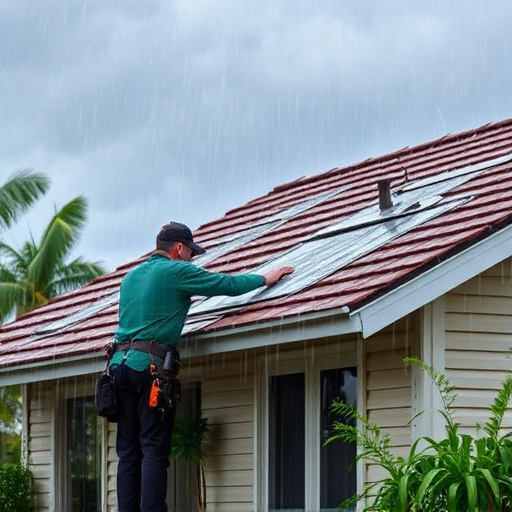
The Tucson monsoon brings intense weather patterns that can present significant risks to homes, especially for roofing. During these seasonal storms, intense winds, heavy rainfall, and sudden changes in climate can lead to various forms of roof damage. Understanding these potential hazards is crucial for homeowners, as it allows them to be prepared and act swiftly when an emergency arises.
One of the most common issues during the monsoon is the risk of fallen trees and branches. Strong winds can uproot trees, potentially causing them to fall onto homes, resulting in serious roof damage. A mature mesquite tree in a Marana backyard could be uprooted by a powerful haboob, leading to punctures, tears, or even a complete roof collapse. In such cases, an immediate call to a licensed Tucson roofing contractor for an emergency roofer first visit is recommended. It's important to act quickly to assess the damage and begin repairs to prevent further complications. The deductible on your home insurance policy might be a consideration, but the priority should be ensuring your home's safety and protecting your belongings.
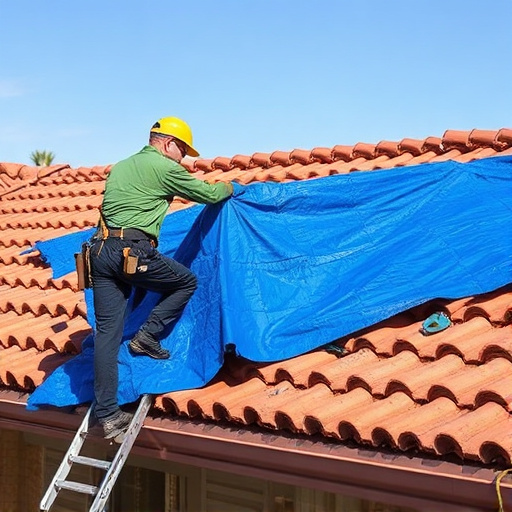
Leaking roofs are another significant concern, as heavy rainfall can cause significant water intrusion, leading to mold, mildew, and structural damage. Flashing, gutters, and drains that are not properly maintained or installed can easily fail, exacerbating the problem. A flat roof in a low-lying area might experience ponding, leading to water saturation and eventual leakage. A 24/7 emergency roofer can provide temporary tarping solutions to stop the leak immediately while waiting for permanent repairs. This swift action can save you from costly interior damage and ensure your home's safety during these severe weather events.
When a Roof Emergency Arises: Quick Action Required
When a roof emergency arises during Tucson's monsoon season, swift action is crucial to mitigate damage and ensure your home's safety. As heavy rains and occasional microbursts can trigger a variety of issues, from broken tiles and clogged drains to fallen trees and ceiling leaks, knowing what to do-and whom to call-is paramount.
The first step is to assess the situation. If you notice a leak, check for ceiling stains, a sign that the problem may be more severe than it appears. Don't delay; the longer you wait, the more extensive-and costly-the repair. A small leak might develop into a significant, and expensive, mold issue if not addressed promptly. When contacting an emergency roofer, be prepared to describe the symptoms, such as water spots, dripping sounds, or missing shingles. A Tucson roofer with an Arizona ROC license will prioritize your call during the monsoon season, understanding the urgency of these situations.
While some repairs, like tarping a leak, can be temporary fixes, others require immediate professional attention. Hail damage, for example, can weaken a roof structure, necessitating urgent repairs to avoid a potential collapse. The cost of emergency roof repairs can vary, with deductibles playing a significant role, especially for homeowners with comprehensive home insurance policies. To prepare for the unexpected, Tucson residents should review their insurance coverage and understand the process of filing a claim. In the meantime, take measures to protect belongings below the leak and consider the environment; a tarp may stop water intrusion but won't address structural issues. A flat roof with ponding water may need more than just a tarp to ensure its longevity.
Finding and Hiring a Trusted Emergency Roofer
As the Tucson monsoon season sets in, homeowners face a unique set of roof challenges. Sudden, intense storms can bring powerful winds, heavy rainfall, and microbursts, all of which significantly increase the risk of roof damage. During these periods, finding a reliable emergency roofer can make all the difference in your home's safety and the speed of repairs. This is where expertise and trust become paramount.
Choosing a roofer for an emergency in the monsoon season requires a thoughtful approach. Homeowners should start by understanding local building codes and industry standards, ensuring any contractor they hire is up to date with these regulations. Reputable roofers, like DC Roofing of Arizona, will be certified by the National Roofing Contractors Association (NRCA) and adhere to Arizona Building Codes. They should be members of local associations like the Tucson Building Contractors Association, which demonstrates a commitment to professional standards.
When a roof emergency arises, the initial step is to contact a 24/7 emergency hotline for immediate assistance. This can help assess the situation and guide you towards the best course of action. If a roofer is required, it's crucial to ask the right questions during the first visit. Prepare by listing potential concerns, such as the state of your parapet walls and any signs of mold or water damage, especially after a heavy downpour. A competent emergency roofer will conduct a thorough inspection, provide a detailed estimate, and offer solutions tailored to your needs. They might recommend temporary repairs, like tarping, to stop active leaks, or discuss permanent solutions for more significant issues, ensuring your home is protected throughout the monsoon season and beyond.
Frequently Asked Questions About seasonal advice on roof emergencies during the Tucson monsoon
What are the most common roof emergencies during the Tucson monsoon?
During the intense monsoon season, several roofing issues become more prevalent. Heavy rainfall can lead to leaks, especially in older or poorly maintained roofs. Flashing and gutter damage are also common, as the powerful storms can dislodge debris and cause overflow. Wind-related damage, such as missing or loose shingles, is another frequent occurrence, necessitating prompt repairs to avoid further complications.
When should I call a professional roofer during monsoon season?
If you notice any signs of water intrusion, unusual noise, or visible damage to your roof, it's crucial to contact a professional roofer immediately. Time is of the essence during monsoon season, as delays can result in extensive water damage and costly repairs. A licensed Tucson roofer can assess the situation, offer solutions, and provide emergency repairs to safeguard your property.
How can I temporarily patch a leaky roof during a monsoon storm?
For a temporary fix, lay down a tarp or plastic sheet over the leaking area to divert water. Secure it with clips or tape, ensuring a tight seal. This measure can buy you some time until a professional can conduct a thorough repair. Avoid using adhesive patches, as they may not be weatherproof enough for the monsoon conditions.
What should I do if a strong wind blows off several shingles?
In such a scenario, it's best to cover the exposed areas with tarpaulins to prevent further damage. Contact a roofing contractor to assess the extent of the damage and schedule a repair as soon as possible. Remove any loose debris from the roof and gutters to minimize the risk of clogs and additional flooding.
Are there any specific safety precautions I should take during a monsoon roof inspection?
Absolutely. Inspecting a roof during monsoon season requires caution. Wear appropriate safety gear, including a hard hat and non-slip footwear. Be mindful of electrical hazards, as water and power lines can pose risks. If you're unable to safely access certain areas, don't attempt to climb; instead, hire a professional to conduct a thorough inspection.
How long does it typically take to repair a monsoon-related roof damage?
Most minor repairs, such as replacing individual shingles or sealing leaks, can be completed within a day or two. However, complex repairs, especially those involving structural damage or extensive water intrusion, may take several days. DC Roofing of Arizona, a local Tucson roofing company, will provide you with a detailed estimate and timeline for your specific repair needs.
As monsoon season in Tucson brings heightened risks of severe weather, understanding and preparing for roof emergencies is crucial. This article has equipped homeowners and property managers with vital knowledge about recognizing and responding to common monsoon-related roof damage. From understanding the potential hazards of fallen trees and microbursts to knowing the signs of a structural collapse, readers are now more informed about the issues that may arise.
When a roof emergency does occur, swift action is essential. Promptly contacting a reliable emergency roofer, such as DC Roofing of Arizona, for a first visit can significantly minimize damage and prevent further complications. This article has highlighted the importance of hiring a trusted professional who can assess the situation quickly and provide both temporary repairs and long-term solutions.
By following the advice outlined in this guide, Tucson residents can protect their properties and ensure the safety of their families during the monsoon. Remember, preparation and quick response are key to minimizing the impact of these natural events on your roof.
During Tucson's monsoon season, intense weather patterns pose significant roof risks. Key issues include fallen trees, leaking roofs, and hail damage. Swift action is crucial; immediate contact with a licensed emergency roofer can mitigate damage. Assess leaks carefully, as they may signal more severe problems. Reputable roofers adhere to local building codes and industry standards. Prepare questions for the emergency roofer first visit to understand repairs, costs, and solutions tailored to your needs. Act promptly to ensure your home's safety and protect belongings during these severe weather events.