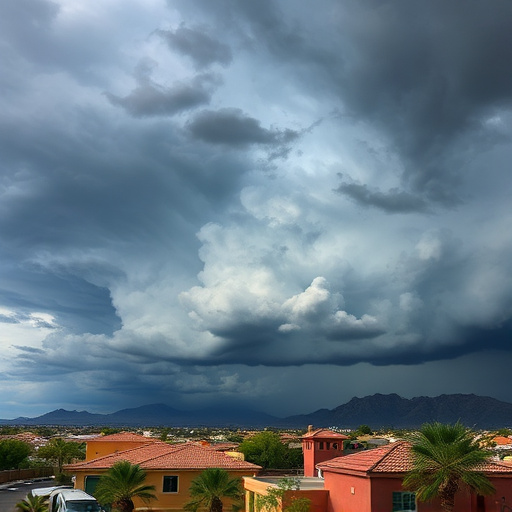
In monsoon season, a sudden roof leak can turn a peaceful home into a flooding nightmare. The urgency is real-water damage accelerates, and the structural integrity of your home is at stake. Emergency roof tarping isn't just a temporary fix; it's a vital step to prevent further damage, mold growth, and costly repairs. This article provides practical, actionable advice on how to keep your home safe and dry until an emergency roofer arrives, drawing on the expertise of local Tucson roofing specialists and industry best practices. We'll guide you through assessing the situation, securing a temporary solution, and understanding your insurance options.
- Assess Damage, Prioritize Safety
- Emergency Roof Tarping: Step-by-Step
- Post-Emergency: Roof Repairs & Prevention
Assess Damage, Prioritize Safety

When a storm rolls in, the first step in protecting your home is a thorough assessment of the damage. As you survey the scene, focus on identifying immediate safety hazards and areas where water intrusion is occurring or is at risk. Look for cracks in the foundation, displaced or missing shingles, or signs of water seeping through the walls or ceiling. Ceiling stains and water stains on walls, particularly near the roofline, are telltale signs of a leak. In severe cases, you might notice bulging walls or a sagging ceiling, indicating structural damage that requires immediate attention from a professional.
Prioritizing safety is paramount. If you suspect a structural collapse or the presence of hazardous materials like mold, evacuate your home and contact emergency services immediately. Once safety is secured, focus on stopping further water intrusion. One effective temporary measure is emergency roof tarping, a technique used to cover and protect the damaged area until a roofer can arrive. This involves securing large sheets of waterproof material over the leak to prevent water from entering the home. If a broken tile has exposed the underlayment, a tarp can be placed over the affected area to shield the interior from potential water damage.
To the roof, check for water intrusion around parapet walls, which are often overlooked. These walls, located at the edge of the roof, can develop cracks or become compromised during storms. If water is seeping through these walls, take steps to stop the flow and prevent further damage. Consider using temporary patches or sealants to plug leaks and protect the interior spaces below. Remember, these measures are only temporary solutions. A roofing contractor serving Tucson and Oro Valley, like DC Roofing of Arizona, should be contacted as soon as possible to conduct a thorough inspection and perform the necessary repairs.
Emergency Roof Tarping: Step-by-Step
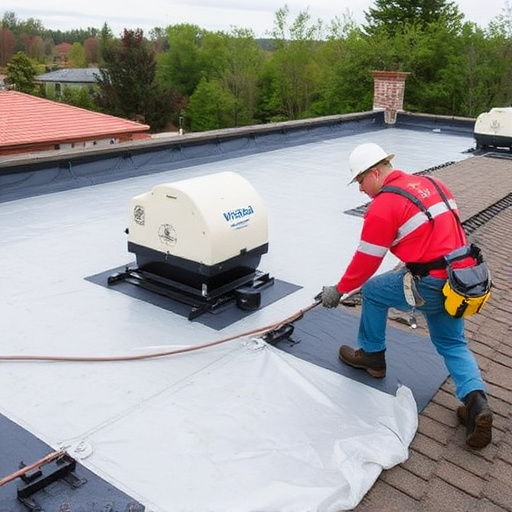
In the face of a roofing emergency, especially during Tucson's monsoon season, knowing how to temporarily stop an active roof leak is crucial. While waiting for a licensed Tucson roofing contractor like DC Roofing of Arizona with an Arizona ROC license to arrive, emergency roof tarping can be a lifesaver. This step-by-step guide will help you navigate this process safely and effectively, protecting your home from further damage.
First, assess the leak's location and severity. If the leak is coming from a specific area, like a broken shingle or a swamp cooler unit, you can target that spot for tarping. If the leak is confined to a small section of the roof, a simple tarp can buy you time until a professional arrives. Use a high-quality, water-resistant tarp large enough to cover the affected area. Ensure the tarp is securely fastened to the roof with staples or clips to prevent shifting in strong winds, a common occurrence during Marana's flash flooding events.
Next, create a water diversion system. Place buckets or downspouts under the tarp to collect any water leaking through. This prevents water from pooling on the roof or seeping into your home, which could lead to mold growth and structural damage. Remember, the goal of emergency roof tarping is to stop water intrusion and protect your belongings until a permanent fix can be made.
Finally, consider the type of roof you have. Flat or low-sloped roofs, like those found on many mobile homes, require special attention. Use a tarp specifically designed for these surfaces to avoid ponding water, which can cause damage over time. In contrast, pitched roofs benefit from a more traditional tarping method, with the tarp secured along the edges and at the peak. For historic homes, take extra care to use materials that match the original roof's style and color, ensuring the temporary fix blends in until a more permanent solution is implemented.
Post-Emergency: Roof Repairs & Prevention
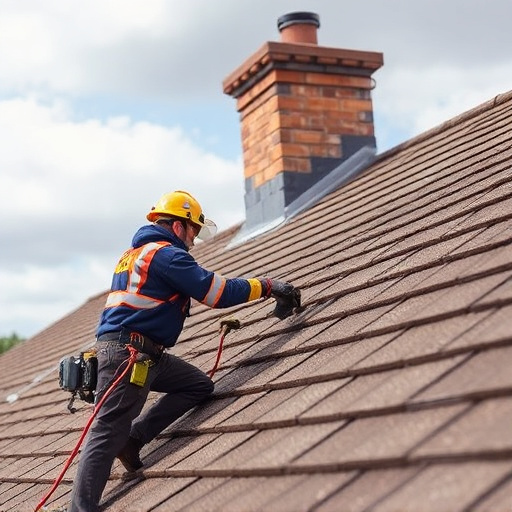
Once the immediate danger has passed and you've ensured your safety, the focus shifts to protecting your home from further damage until a professional roofer can arrive. Emergency roof tarping is a crucial temporary fix that can prevent water intrusion and mitigate potential interior damage. In Marana or any desert climate, where strong winds and intense storms can cause broken tiles and other debris to fly, it's essential to act swiftly.
Start by assessing the damage. If you notice missing or broken tiles, a roofing contractor serving Tucson and Oro Valley recommends inspecting the underlayment for any signs of water intrusion. In the case of a significant leak, use a tarp to cover the damaged area, securing it tightly to prevent water from entering your home. A tarp can be effectively employed to stop water from seeping into a broken tile or a small hole created by a fallen branch during a microburst. This temporary measure will give you time to contact your insurance adjuster and arrange for a professional repair, which is crucial for preventing mold growth and protecting your belongings.
While emergency tarping is an excellent short-term solution, it's important to understand its limitations. Tarps are not a permanent fix and should be seen as a way to buy time. Once the storm has passed and you've had a chance to assess the full extent of the damage, it's time to plan for a thorough repair. This includes removing the tarp, cleaning up any water or debris, and scheduling an inspection with a licensed roofer. Remember, many insurance policies cover roof repairs due to severe weather, so reviewing your policy with an insurance adjuster is a crucial step in the post-emergency process.
Frequently Asked Questions About practical advice on keeping a home safe and dry until an emergency roofer arrives
What should I do if I notice a small leak but can't schedule a professional inspection right away?
In the meantime, turn off the water supply to the affected area if possible. Check your home's water pressure and look for sudden drops, indicating a potential leak. Seal any visible leaks with temporary patches, like caulk or duct tape, to prevent water from entering. Keep an eye on the situation and, if the leak worsens, contact a 24-hour emergency roofing service. Document the damage with photos for insurance claims.
How can I prepare for a potential roof disaster in a desert climate?
Regular maintenance is key. Inspect your roof for loose or damaged shingles, especially after severe weather events. Keep gutters clean to prevent clogs, which can cause water damage. Ensure proper ventilation to avoid excessive heat buildup, a common issue in desert climates, which can weaken roofs. Schedule professional inspections annually to catch problems early. Stock emergency supplies, including a basic first-aid kit and flashlights, in case of power outages.
What are some signs I need to call an emergency roofer immediately?
Severe weather, such as thunderstorms or high winds, can cause significant damage. Look for wide-spread debris on your roof or in your yard. Water stains on ceilings or walls, especially around windows and doors, indicate potential leaks. A musty smell or unexpected water pooling around your home suggest water intrusion. Time is crucial; an immediate call to a licensed roofer can prevent further damage and costly repairs.
Can I attempt to fix a roof leak myself if it's minor?
Small, isolated leaks might be repairable by a do-it-yourselfer. Use a ladder and safety equipment, and follow instructions for temporary repairs, like sealing with caulk. However, for larger leaks or complex issues, it's best to hire a professional. An experienced roofer can identify the root cause, ensuring a permanent fix. Attempting a DIY repair without proper knowledge can lead to further damage and safety risks.
What should I do if my insurance company suggests a roofer I'm unfamiliar with?
Always verify a roofer's license and reputation before hiring. Check online reviews and ask for references. Most insurance companies have approved lists of contractors they frequently work with. Ensure the roofer understands your insurance coverage and provides a detailed estimate. A reputable contractor will communicate clearly, respect your home, and complete the job efficiently and to your satisfaction.
How can I protect my property while waiting for a roofer to arrive?
Remove valuable items from the affected areas and protect furniture and flooring with tarps or blankets. Board up any broken windows to prevent further damage. If water is flowing in, redirect it away from your home using buckets or diversions. Keep children and pets away from the danger zone. The safety of your family and the preservation of your property are paramount until the emergency roofer arrives.
In the face of a roofing emergency, whether caused by a microburst, fallen tree, or heavy rain, understanding how to temporarily protect your home is crucial. The key takeaway from this guide is that emergency roof tarping is a critical step in safeguarding your property until a professional arrives. By assessing damage and prioritizing safety, you can effectively stop an active leak and mitigate further issues. Post-emergency, focusing on roof repairs and prevention becomes easier with a solid understanding of these initial steps. Remember, prompt action during these unforeseen events can save you from costly repairs and potential home damage, underscoring the importance of being prepared. Now equipped with these practical skills, you're one step closer to ensuring your home remains dry and safe until the professionals can take over.
In desert climates like Tucson, homeowners should prepare for sudden storms and potential roof damage. Upon assessing an active leak, focus on immediate safety and stopping water intrusion. Emergency roof tarping is a temporary fix to protect your home until a professional roofer arrives.
- Assess the leak and its location.
- Use a high-quality tarp to cover the affected area, securing it tightly.
- Create a water diversion system using buckets or downspouts to prevent pooling water.
- Consider roof type (flat, low-sloped, pitched, or historic) for proper tarp application.
For significant leaks or structural damage, evacuate and contact emergency services. Once safe, contact a licensed roofer like DC Roofing of Arizona for a thorough inspection and repair. Review insurance policy coverage for storm-related damage.