
In monsoon season, intense storms can wreak havoc on Tucson homes, leaving many residents facing emergency roof repairs. The problem is twofold: the immediate need to stop water intrusion, like a ceiling leak in heavy rain, and the long-term concern of mold after a roof leak. Choosing a trustworthy emergency roofer can feel overwhelming, especially when you're vulnerable after a storm. This checklist equips you to navigate this challenging time, ensuring swift, quality, and reliable service. We'll guide you through the key factors, from verifying a roofer's credentials and understanding cost structures to recognizing signs of a competent professional who can address everything from fallen tree damage to emergency tarping, and protect your home and belongings until a permanent fix is made.
- Assess Your Damage, Prioritize Safety
- Spotting Reputable Emergency Roofers
- Mitigating Mold: Post-Leak Restoration Tips
Assess Your Damage, Prioritize Safety
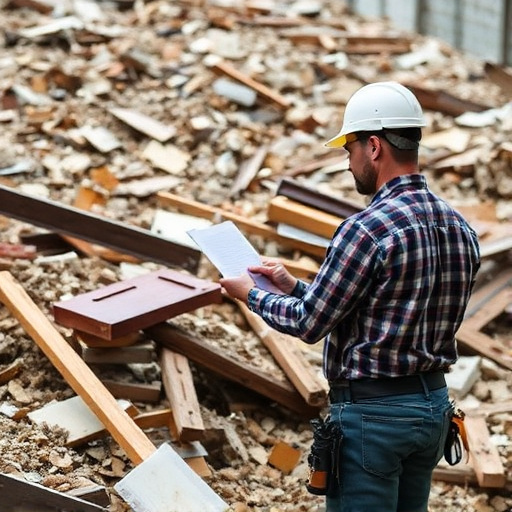
After a storm, assessing the damage to your home is crucial, especially for your roof. Prioritizing safety should be your first step, and this starts with a thorough examination of your property. Look for any signs of structural damage, such as missing or damaged shingles, leaks, or even a partial collapse. A powerful microburst can leave your roof susceptible to further damage, including a potential ceiling leak in heavy rain. These issues can't wait until the next business day; they require immediate attention.
Safety is paramount, especially if you're considering an emergency repair. Check for any hazards before attempting to enter your attic or climb onto your roof. Be aware of fallen tree damage, which can be particularly hazardous in the Catalina Foothills region, known for its scenic yet unpredictable weather. If you have a mobile home or a historic house, take extra care as these structures may have unique requirements for repair and safety. Always remember, a licensed Tucson roofing contractor should handle any complex or high-risk situations, like a swamp cooler roof leak, to ensure the work is done correctly and safely.
After identifying the extent of the damage, assess the urgency of the situation. Some leaks may be temporary and not require immediate attention, while others, such as a broken roof tile, can quickly turn into a breeding ground for mold after a roof leak. It's essential to understand your insurance coverage and deductible, as this will impact the financial burden of the repairs. Contact your insurance adjuster to report the damage and begin the claims process, which may take several days or even weeks, depending on the severity of the storm.
Spotting Reputable Emergency Roofers
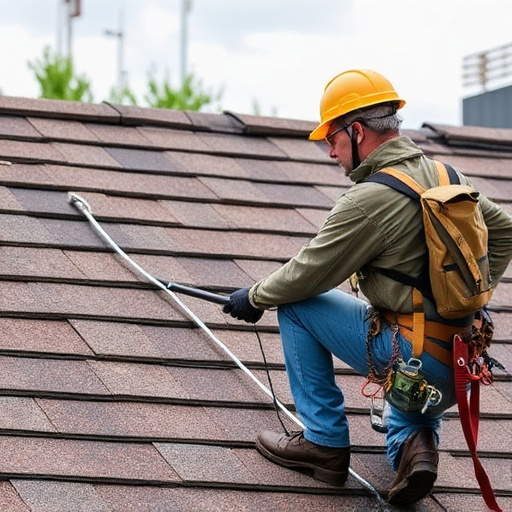
When the storm hits and water starts pouring through, finding a trustworthy emergency roofer can seem daunting. But with a few key checks, you can ensure you're protected not just from the storm, but from potential secondary damages like mold after a roof leak.
First, verify their license and insurance. This isn't just about legality; it ensures they have the proper coverage for both their work and any unexpected incidents. Also, ask for references and check their customer reviews. The feedback from previous clients can offer valuable insights into their work quality and response time, especially during emergency situations.
Next, look beyond the immediate fix. A good emergency roofer won't just throw a tarp over your leaking roof (though a temporary roof tarp is crucial in a pinch). They should assess the entire situation, including potential scuppers or clogged drains that could have contributed to the leak. Hail damage might require a thorough inspection to ensure your roof is secure and won't collapse. Don't settle for a band-aid solution; seek out a contractor who provides comprehensive emergency roof repair services.
Finally, establish clear communication. An emergency roofer's first visit is crucial. They should be prepared to answer your questions, explain the situation, and outline the next steps, whether that means temporary repairs like a scupper cover or more extensive work. Remember, the goal is to mitigate damage and ensure your home's safety. A trustworthy emergency roofer will treat your property as if it were their own, providing both immediate relief and long-term solutions to prevent future mold issues and other complications.
Mitigating Mold: Post-Leak Restoration Tips
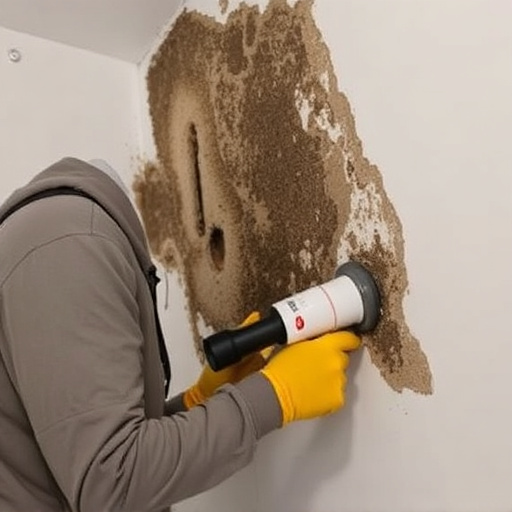
When water seeps through a damaged roof, it can lead to a plethora of problems, with mold after a roof leak being one of the most significant. In the aftermath of a heavy storm, like those frequent in monsoon season, Midtown Tucson and Catalina Foothills residents are at particular risk. That's why, alongside repairing the leak, addressing mold is a crucial step in post-storm restoration.
Mold thrives in damp environments, making a wet roof a perfect breeding ground. A local Tucson roofing company like ours understands this urgency. That's why, when we're called out for an emergency roof repair, we also assess for mold growth and offer remediation services. We inspect for hidden moisture, check for mold at its source, and take steps to remove it completely, using industry-approved products and methods. This multifaceted approach ensures not just the repair of the leak but also the preservation of your home's structural integrity and your family's health.
The process begins with identifying the source of the leak and containing the damage. Once the leak is stopped, we address any affected materials, removing and replacing as necessary. We then apply a mold inhibitor to prevent future growth and use fans and dehumidifiers to dry out the space thoroughly. In cases of severe mold infestation, we may recommend the services of a specialized mold remediation contractor, ensuring the job is done according to industry standards. Remember, ignoring mold can lead to more extensive damage and health risks, so prompt action is crucial. After all, the goal is not just to stop the leak but to restore your home to its pre-storm condition, minimizing the disruption to your life.
Frequently Asked Questions About a checklist for choosing a trustworthy emergency roofer after a big storm
What should I look for when choosing an emergency roofer?
When selecting an emergency roofer, prioritize licensed and insured professionals with a proven track record in your area. Look for a company that specializes in storm damage repairs, has positive reviews from previous customers, and offers a warranty on their work. Ensure they provide clear pricing estimates upfront and are able to quickly mobilize a team to address your needs after a big storm.
How do I know if a roofer is trustworthy?
Reputation is key. Check online reviews on trusted platforms and verify their licensing and insurance status with local authorities. Ask for references from previous clients and call them to get insights on the roofer's professionalism and workmanship. A trustworthy roofer will be responsive, transparent about costs, and committed to completing the job efficiently and to your satisfaction.
What documentation should I request from a roofer?
Request the roofer's license and insurance certificates, which should be displayed prominently on their website or upon request. Also, ask for a detailed proposal outlining the scope of work, materials used, and pricing. Ensure the proposal includes a breakdown of labor and material costs and is accompanied by a warranty or guarantee. This documentation protects you and ensures you're working with a legitimate, professional roofer.
What should I do if a roofer quotes me a price over the phone?
While quick estimates are convenient, they can be inaccurate. Always request a detailed, in-person assessment for a more precise quote. This visit allows the roofer to thoroughly inspect the damage and provide a comprehensive breakdown of the work needed. A reputable roofer will not pressure you into accepting a quote over the phone, and they will be happy to provide a detailed, fair estimate after a thorough inspection.
How do I know if my roof needs immediate attention after a storm?
If your roof is leaking, there is visible damage (missing or broken shingles, holes), or you notice water stains on the interior, it's considered damaged and may require immediate attention. A storm-damaged roof left unrepaired can lead to further damage, mold growth, and costly interior repairs. Contact a trusted emergency roofer as soon as possible to assess and address the situation.
What is the average time it takes to repair a storm-damaged roof?
Most storm damage repairs can typically be completed within 1 to 3 days, depending on the extent of the damage. This includes the assessment, material procurement, and repair process. Some more complex jobs may take slightly longer. Communicate with your roofer about expected timelines and ensure they have the resources and personnel to complete the job efficiently.
As you navigate the aftermath of a monsoon season storm in Tucson, prioritizing your safety and property protection is paramount. This checklist equips you to select a trustworthy emergency roofer and mitigate mold after a roof leak. Key insights include assessing damage thoroughly, understanding local building codes, and verifying a roofer's licenses and certifications through the Tucson Roofers Association. Prioritizing communication and immediate action, like calling the Roofing Emergency Hotline, ensures swift response times, crucial for stopping active leaks and temporary repairs. Remember, emergency roofers should offer both temporary solutions, like tarping, and long-term restoration advice, including eco-friendly materials and proper drainage systems to prevent future damage. Lastly, be vigilant for signs of mold after a roof leak and follow restoration tips from professionals to ensure a safe, healthy living environment.
After a storm, assess roof damage for safety, focusing on structural integrity and immediate hazards. Prioritize urgent repairs, understanding insurance coverage. Choose a licensed Tucson roofing contractor with expertise in complex situations.
For emergency roofers, verify licensing, insurance, references, and customer reviews. Avoid band-aid solutions; seek comprehensive repairs. Establish clear communication for immediate relief and long-term solutions.
Address mold after a roof leak naturally by identifying and containing the source, removing affected materials, applying mold inhibitors, and using drying equipment. Prompt action prevents extensive damage and health risks.