
The monsoon season in Tucson brings both beauty and challenges for homeowners, with sudden, intense storms testing the limits of your roof. During these storms, roof emergencies can arise from fallen trees, microbursts, clogged drains, and more. A single leak can quickly turn into a costly and dangerous situation, damaging belongings and posing safety risks. This article provides vital guidance on navigating roof emergencies during the monsoon. We'll explore signs of trouble, the importance of a swift response, and how to choose the right professional for your first visit, ensuring your home stays protected and safe.
- Recognizing Monsoon-Related Roof Damage
- When to Call an Emergency Roofer
- Post-Monsoon: Roof Repairs & Maintenance
Recognizing Monsoon-Related Roof Damage
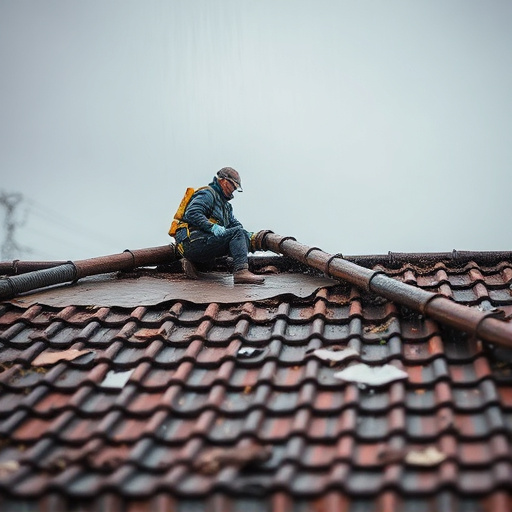
The monsoon season brings a unique set of challenges for homeowners in Tucson, particularly for roof damage. Recognizing the signs of monsoon-related roofing issues is crucial for prompt action. Heavy rains, strong winds, and occasional hailstorms can all contribute to significant roof damage, often requiring immediate attention. During this period, DC Roofing of Arizona, a local Tucson roofing contractor, receives an increased number of calls regarding emergency repairs.
One of the most common issues during the monsoon is water intrusion, often visible through stained or peeling drywall. Ceiling leaks, especially in older homes, can be a sign of a more severe problem. Homeowners should inspect their properties regularly, looking for signs of water damage, mold growth, or missing or damaged shingles. Photo documentation of any suspected issues can be invaluable for insurance claims and future reference. A close-up photo of a missing shingle can help a roofer first visit and assess the extent of the damage quickly.
Hailstorms, common during the monsoon, can leave a trail of destruction, particularly on roofing materials. Impact from large hail can cause severe damage, including punctures, cracks, or complete removal of shingles. The type of roofing material matters in resistance to hail damage. Metal roofs, for instance, are generally more resilient than traditional shingles. Homeowners should consider the condition of their roofing materials and the potential risks during the monsoon season. After a storm, a quick assessment by a professional roofer can help determine the extent of the damage, whether it's a temporary repair or a more urgent, potentially costly replacement.
When to Call an Emergency Roofer
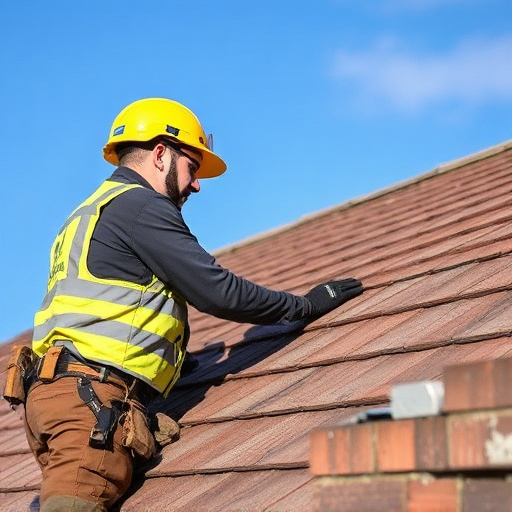
The monsoon season brings a unique set of challenges for homeowners in Tucson, particularly for roof emergencies. Knowing when to call an emergency roofer can mean the difference between a minor inconvenience and a major repair. During intense storms, even the most robust roofs can sustain damage, from scuppers blocked with debris to broken tiles. In Marana, where rapid weather changes are common, it's crucial to be prepared and act swiftly.
A licensed Tucson roofing contractor recommends that homeowners closely monitor their roofs during monsoon season. Look for signs of distress, such as unusual noise during heavy rain, water stains on ceilings or walls, or visible damage to shingles or tiles. If you notice any of these issues, don't delay; contact an emergency roofer for an immediate assessment. The faster the problem is addressed, the less likely it is to escalate, potentially saving you costly repairs later.
The first visit from an emergency roofer should focus on both short-term and long-term solutions. They should inspect the entire roof, checking for loose or missing shingles, blockages in drains, and any signs of water intrusion. A swamp cooler roof leak can be a common issue during monsoon season, and addressing it promptly can prevent mold growth and structural damage. The roofer should also provide recommendations for permanent repairs and potential preventive measures to ensure your roof is ready for the next storm. Remember, acting swiftly during a roof emergency is key to minimizing damage and keeping your home safe.
Post-Monsoon: Roof Repairs & Maintenance
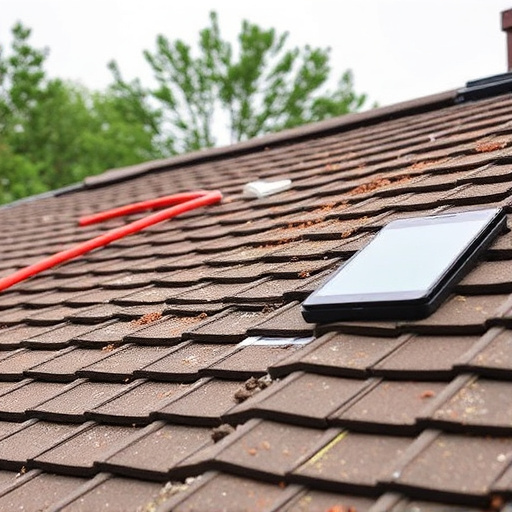
After the monsoon season, Tucson faces a unique set of challenges for roof inspections and repairs. The intense rainfall and occasional flash flooding can cause significant damage to rooftops, often leading to emergency situations. One of the first steps in post-monsoon roof maintenance is to assess potential water intrusion. This includes examining parapet walls and other protective barriers for any signs of weakness or breaches that may have occurred during the storm.
A roofing contractor serving Tucson and Oro Valley recommends a thorough inspection after each monsoon. During the initial visit, experts look for loose or missing shingles, damaged gutters, and signs of water pooling on the roof. These are all indicators of potential problems. A broken tile or a torn shingle can expose the underlayment to the elements, leading to further damage. The goal is to identify these issues early to prevent more serious and costly repairs.
Once the initial assessment is complete, the contractor can provide tailored solutions. This might include emergency tarping to protect the property from further water damage while a more permanent fix is planned. For historic homes or buildings with unique roofing materials, specialized care is required. An adobe roof may need specific repair techniques to ensure the integrity of the structure without causing additional damage. Regular maintenance and prompt attention to any post-monsoon damage are crucial to keeping your home safe and your insurance claims manageable.
Frequently Asked Questions About seasonal advice on roof emergencies during the Tucson monsoon
What are the most common roof issues during the Tucson monsoon? The Tucson monsoon, characterized by intense, localized storms, brings unique challenges for roofs. Common issues include leaks, particularly in older or poorly maintained systems, as well as wind damage, such as missing or damaged shingles. Flashing issues, usually caused by water intrusion, and clogs in drainage systems due to debris accumulation are also frequent problems during this season.
When should I call a professional for a roof inspection? Given the heightened risk of damage during monsoons, it's wise to schedule a professional roof inspection immediately after a severe storm. Look for signs like water stains, bubbling or peeling paint, or irregularities on your ceiling or walls. If you've experienced any significant wind events, a thorough inspection can help identify potential issues before they become costly repairs.
How can I protect my roof from monsoon damage? Regular maintenance is key. Ensure gutters are clear of debris to prevent clogs and water damage. Repair or replace missing or damaged shingles, and check flashing for any tears or damage. Consider adding impact-resistant shingles, which offer enhanced protection against hail and wind damage. A professional inspection can help identify areas needing reinforcement.
Is it safe to climb on my roof during a monsoon storm? Absolutely not. Monsoon storms bring unpredictable weather conditions, including strong winds and lightning. Climbing on a roof during such conditions is extremely dangerous and should be avoided at all costs. Leave roof inspections and repairs to licensed professionals equipped to handle these challenges safely.
What should I do if I suspect a roof leak after a monsoon storm? First, turn off the main water supply to prevent further damage. Then, contact a professional roofer immediately. They can perform a thorough inspection, locate the leak, and provide a detailed estimate for repairs. Prompt action is crucial to minimize water damage and potential mold growth.
How long does it typically take to repair a roof damaged by the monsoon? The repair timeline depends on the extent of the damage. Minor repairs, such as replacing individual shingles, can often be completed within a day. More extensive issues, like leaky roofs or damaged flashing, may take one to two weeks, depending on the contractor's schedule and availability of materials.
Can I file an insurance claim for monsoon-related roof damage? Absolutely. Most homeowners' insurance policies cover damage from storms and extreme weather, including monsoons. Document the damage with photos and keep records of repair estimates. Contact your insurance provider promptly to initiate the claims process. They may require a professional assessment before approving the claim.
As Tucson's monsoon season approaches, understanding how to recognize and address roof damage is crucial for every property owner. This article has provided essential insights into navigating roof emergencies during this unpredictable weather pattern. Key takeaways include being vigilant for signs of microburst damage, recognizing the importance of swift action in stopping active leaks, and understanding the distinction between temporary and permanent repairs.
During a monsoon, fallen trees and heavy rains can cause significant roof damage, underlining the need for a reliable emergency roofer first visit. Prompt attention to ceiling leaks, clogged drains, and broken tiles can prevent more severe, costly issues. Homeowners should prepare for potential mold issues and protect belongings from water damage.
Post-monsoon, the focus shifts to maintenance. Regular inspections, especially for historic homes and mobile roofs, can help identify weak spots before they become emergencies. Community resources, such as local building codes and roofing associations, offer guidance on the best practices for repairs and renovations.
By following these recommendations and engaging a certified emergency roofer, Tucson property owners can ensure their homes are protected during the challenging monsoon season.
Tucson Roof Care During and After Monsoon Season:
- Monsoon Challenges: Heavy rains, winds, and hailstorms cause roof damage, requiring immediate attention from a licensed roofer.
- Common Issues: Water intrusion, ceiling leaks, and missing/damaged shingles are signs of monsoon-related problems.
- Emergency Roofer First Visit: Assess roof for scuppers blocked, broken tiles, water stains, and loose shingles. Address leaks, especially from swamp coolers.
- Post-Monsoon Inspection: Examine parapet walls, gutters, and roof for damage. Identify early signs of water intrusion and loose/missing shingles.
- Specialized Care: Historic or unique roofs may need specialized repair techniques to preserve structural integrity.
- Proactive Maintenance: Regular inspections and prompt attention to damage prevent costly, emergency repairs.